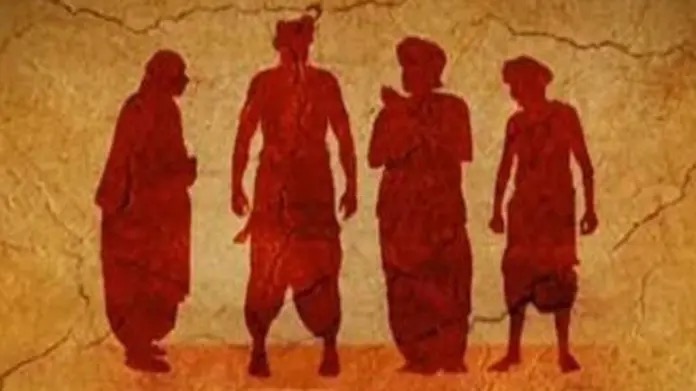
Our quest for understanding often leads us to ancient wisdom, seeking patterns that transcend time. The traditional Indian concept of the four Varnas – Brahmin (the wise and visionary), Kshatriya (the implementers and protectors), Vaishya (the traders and sustainers), and Shudra (the servers and supporters) – described a framework for societal functioning. While its historical application is complex, contentious and often misinterpreted or misrepresented, what if we could perceive these as essential roles or energies that any thriving enterprise must embody?
Imagine a single company, in its journey to serve and succeed, moving through these very archetypes. Not as rigid categories for people, but as vital functions it must embrace.
1. The Company as Brahmin: The Seed of Vision
The Brahmin, traditionally, was the custodian of knowledge, the seer, the one who contemplated the larger picture and envisioned ideals – perhaps even a “Rama Rajya,” an ideal state of well-being and justice. They dealt in ideas, learning, and the articulation of purpose.
In the corporate world, a company first embodies this Brahminical energy in its R&D, strategy, and design departments. This is where the “why” is born. Ideas are envisaged, societal needs are identified (or anticipated), and products or services are conceptualized to meet them. It’s the phase of deep thinking, innovation, and laying down the intellectual and ethical blueprint for what the company aims to achieve. This is the company dreaming its version of a beneficial offering to the world.
2. The Company as Kshatriya: Forging Vision into Reality
The Kshatriya was the doer, the protector, the administrator who translated vision into tangible reality. Armed with courage and executive prowess, they took the plans and ideas and implemented them on the ground, building, organizing, and defending.
Our company, having conceived its product or service, now channels the Kshatriya spirit in its manufacturing, operations, and project management. This is where the blueprint from the “Brahmin” phase is meticulously executed. Raw materials are transformed, systems are built, challenges in production are overcome, and the vision takes physical form. The company acts with precision and strength to bring forth what was imagined, navigating the practical complexities of creation. The product is born!
3. The Company as Vaishya: The Art of Exchange and Sustenance
The Vaishya was the engine of commerce, trade, and economic sustenance. They understood the marketplace, facilitated exchange, managed resources, and ensured that value circulated, enabling prosperity.
Once the product is manufactured, the company embraces the Vaishya role through its sales, marketing, and distribution functions. It’s now time to connect the creation with those it’s meant to serve. The company engages in the art of communication, builds relationships with customers, manages finances, and ensures the product reaches the market. This is the crucial function of generating revenue, sustaining the enterprise, and ensuring its contributions can continue.
4. The Company as Shudra: The Foundation of Service and Upkeep
The Shudra traditionally represented the vital role of service, labor, and support – the hands that maintained, cleaned, and ensured the smooth functioning of the societal fabric. Their contribution, often foundational, was indispensable.
Finally, our company embodies the Shudra essence through its customer service, maintenance, and after-sales support. The product is out in the world, but the relationship doesn’t end. Regular check-ups, troubleshooting, updates, and ensuring the user’s ongoing satisfaction – these “cleanup tasks” are vital. This is the dedication to ongoing service, ensuring the product continues to deliver value and maintaining the trust that was built. This grounds the entire endeavor in practical care.
The Symphony of Functions
What fascinates me is the idea that a single company doesn’t just have people in these roles, but it itself cycles through or integrates these fundamental energies to complete its business lifecycle. From the visionary spark (Brahmin) to robust creation (Kshatriya), then to skillful commerce (Vaishya), and finally to dedicated upkeep (Shudra), all are essential. A deficiency in any one area can impede the entire flow.
Perhaps by understanding our organizations through this ancient lens of functional archetypes, we can better appreciate the necessity and dignity of each role. For an individual within a company, it might offer a new perspective on how their specific contribution fits into a larger, more holistic operational symphony. For the enterprise itself, it’s a reminder that true, sustainable success comes from harmoniously integrating vision, action, commerce, and dedicated service.
What are your reflections? Can you see these energies at play?
Disclaimer:
The Varna system, as an ancient framework, has a complex and often contentious history, including associations with social stratification and caste-based discrimination. This article does not endorse or promote any form of social hierarchy, discrimination, or inequality based on birth or caste. Instead, it explores the Varna concepts as symbolic archetypes or functional roles relevant to personal growth, organizational dynamics, and spiritual development. Readers are encouraged to approach these ideas critically and contextually, recognizing the distinction between philosophical insights and historical social practices.
 Reinvent The Self!