Iconography & Stories reads the symbols, deities and characters of Indian tradition as maps of the inner life: Shiva, Ganesha, Kali, Vitthala and Rama, and the people and tales of the Ramayana, the Mahabharata and the Puranas.
Topics in Iconography & Stories
- Iconography: the forms, weapons and symbols of Shiva, Ganesha, Kali, Vitthala and Rama, collected in the full list below.
- Personalities: what Hanuman, Vibhishana, Draupadi, Karna and others stand for.
- Stories: the hidden symbolism of tales from the epics and the Puranas.
A reading path through form and meaning
Start with Krishna in Beyond the Flute, then enter the Shiva series. These are invitations to interpret a symbol through the inner life. For a companion reflection on Krishna’s assurance of provision and protection, read Yogakshemam Vahamyaham.
Every essay in Iconography & Stories
-
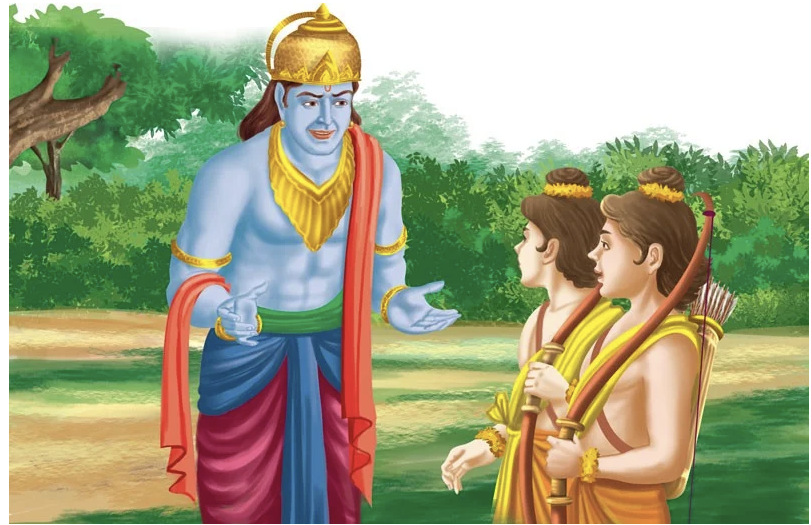
Respect, Resistance, and Dharma: What Bharata and Luv-Kush Teach Us
Bharata defying his mother, and Luv and Kush resisting their father: what the Ramayana teaches about respect, resistance and a dharma that is not a ceiling.
-
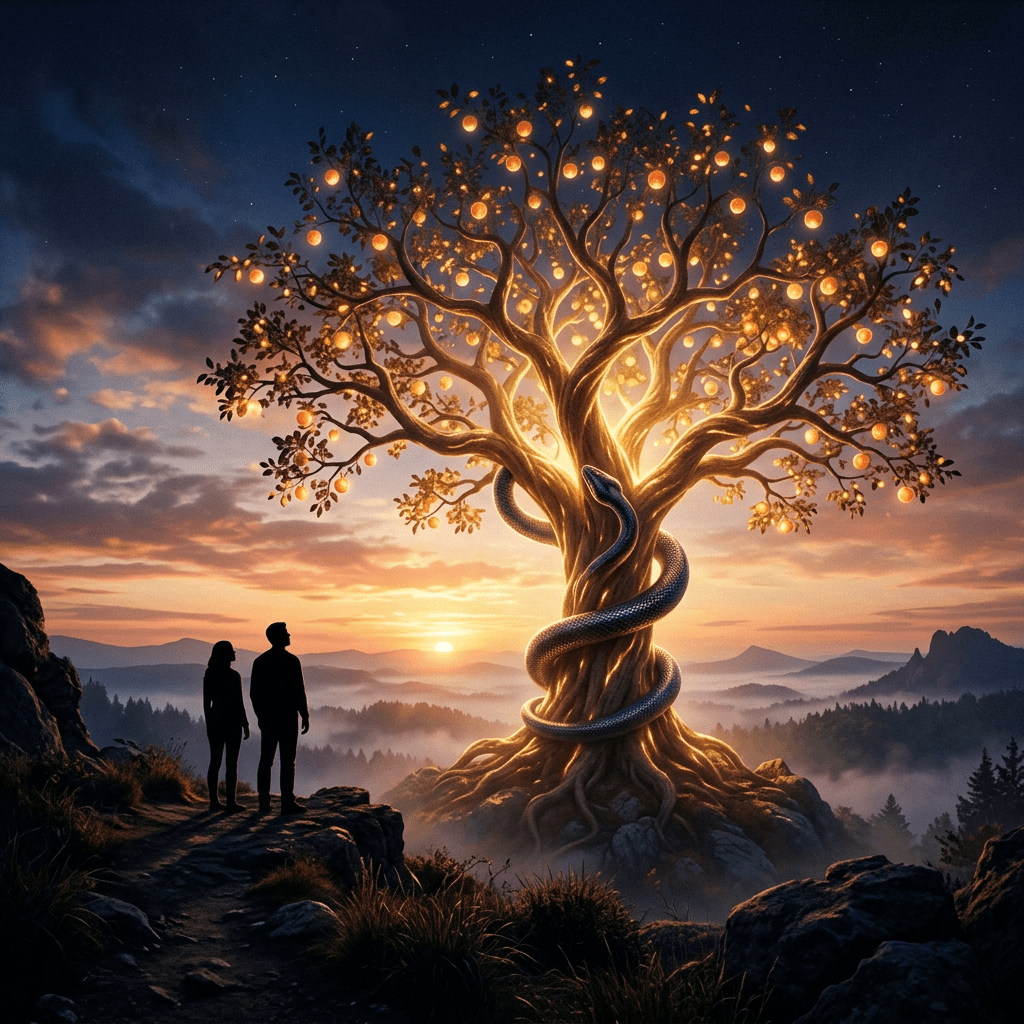
The Apple, the Deer, and the Mind
Eve’s apple, Sita’s golden deer and the mind: one turning shared across traditions, choice versus freedom, and the oxymoron of free will. The close of The Architecture of Return.
-
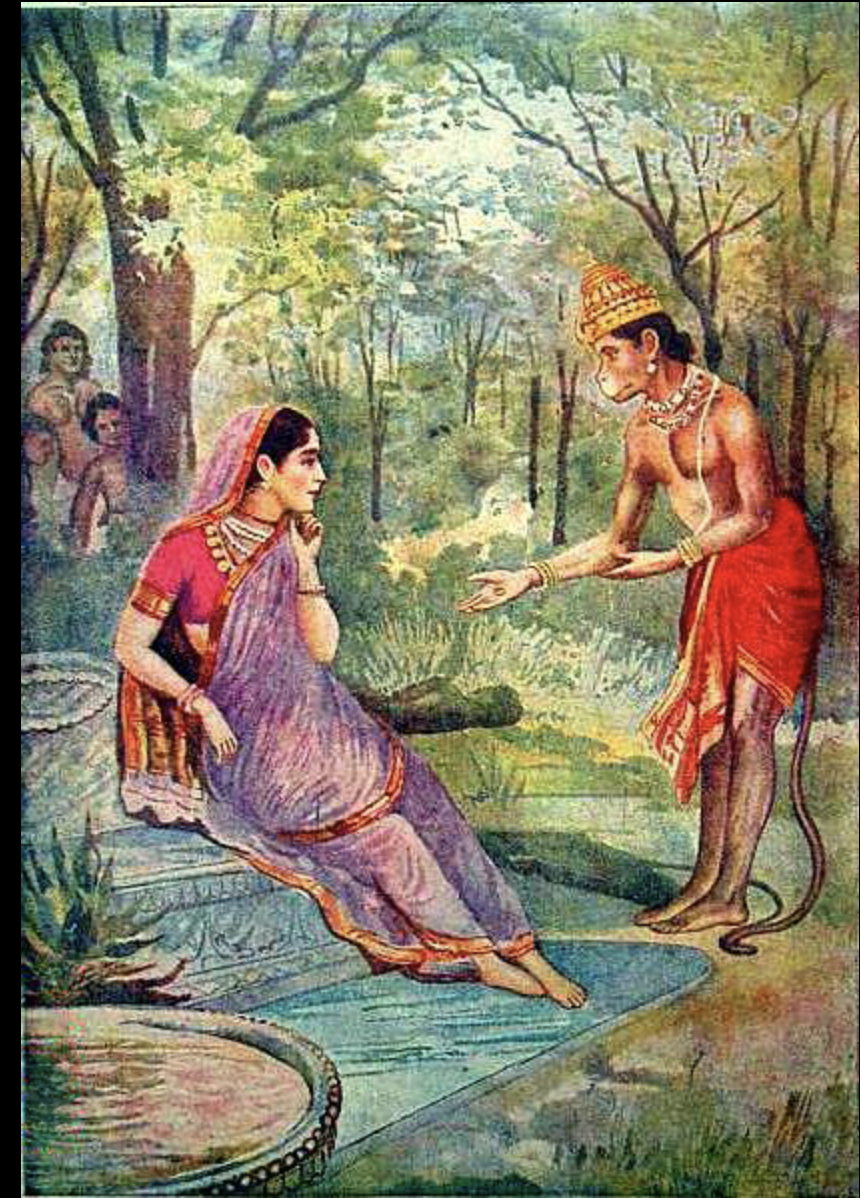
The Eagerness of Love and the Turning of Desire
Two moments the popular Ramayana smooths over: Hanuman’s eager offer to carry Sita home and her refusal, read closely as the turning of desire.
-
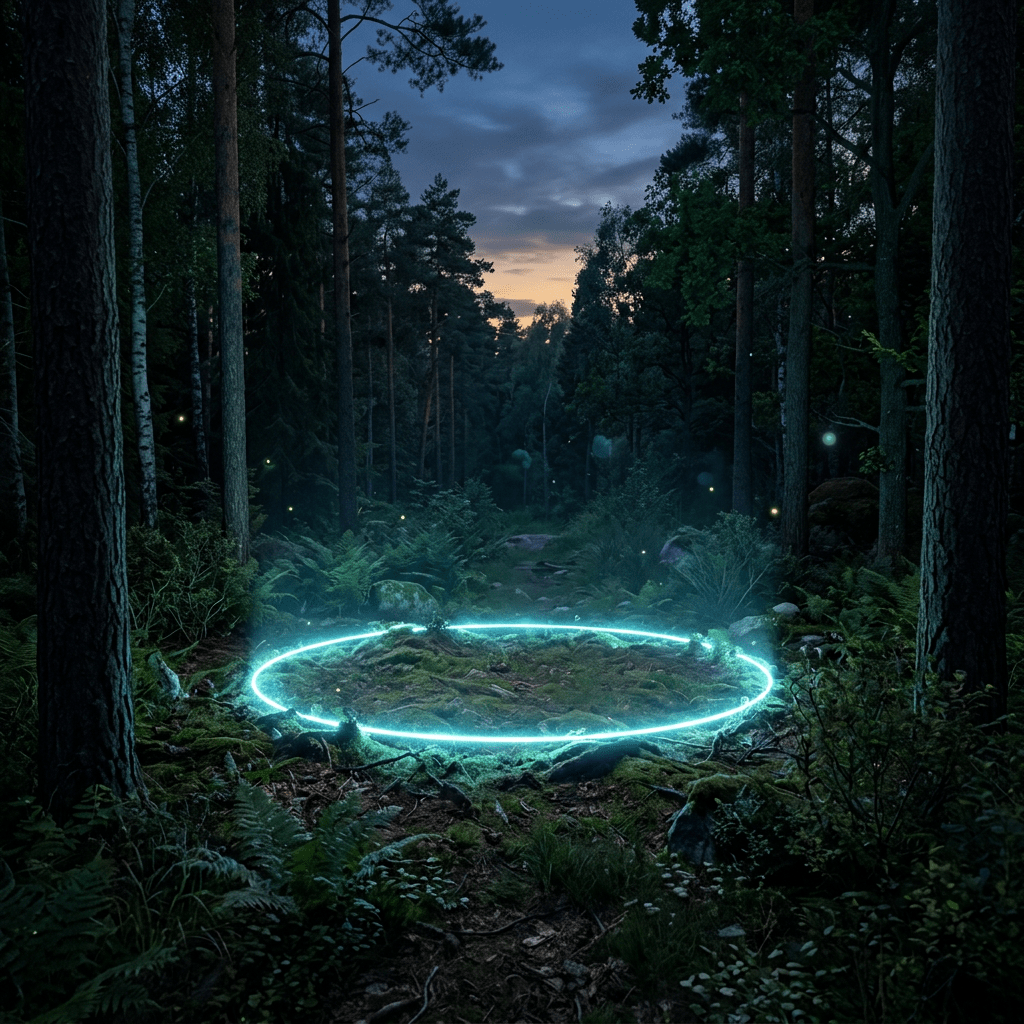
The Four Layers of Refuge
The Ramayana’s layered structure of protection, from presence and faith to the Lakshmana Rekha: the second essay in The Architecture of Return.
-
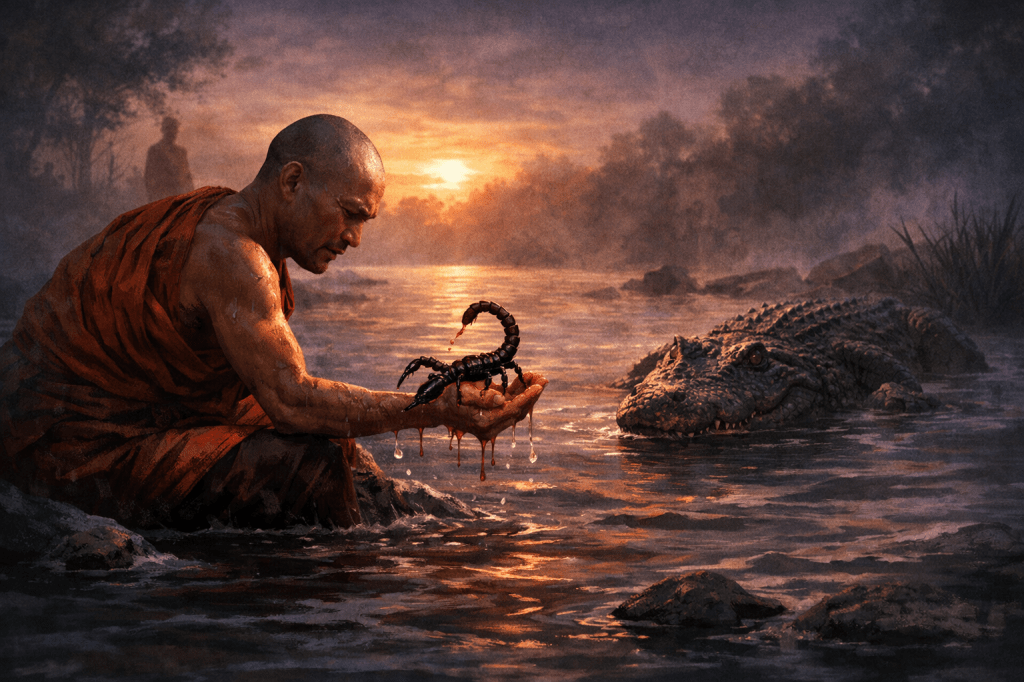
The Monk, The Scorpion, and The Interpreter
A monk keeps saving a scorpion that keeps stinging him. Who is saving whom, the interpreter who must die, and the crocodile in every river.
-
Sita: The Mahat
Sita read as Mahat, the cosmic intellect: from desire and separation to Rama’s sacrifice, her disappearance, and reclaiming Ayodhya, the city without conflict.
-
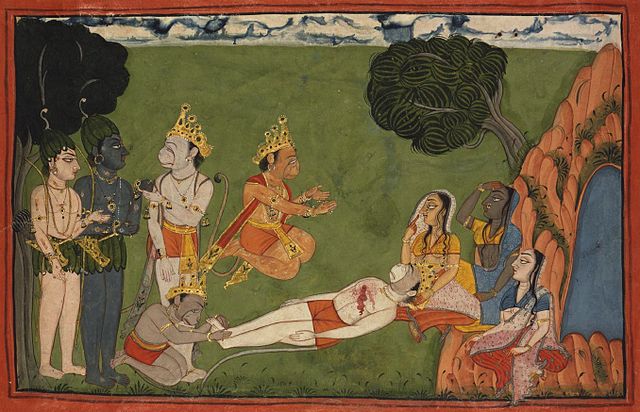
Tara: Wise Restraint
Tara of Kishkindha, one of the Panchakanya, as wisdom and restraint in the kingdom of the mind: a legacy of courage, devotion and discernment.
-
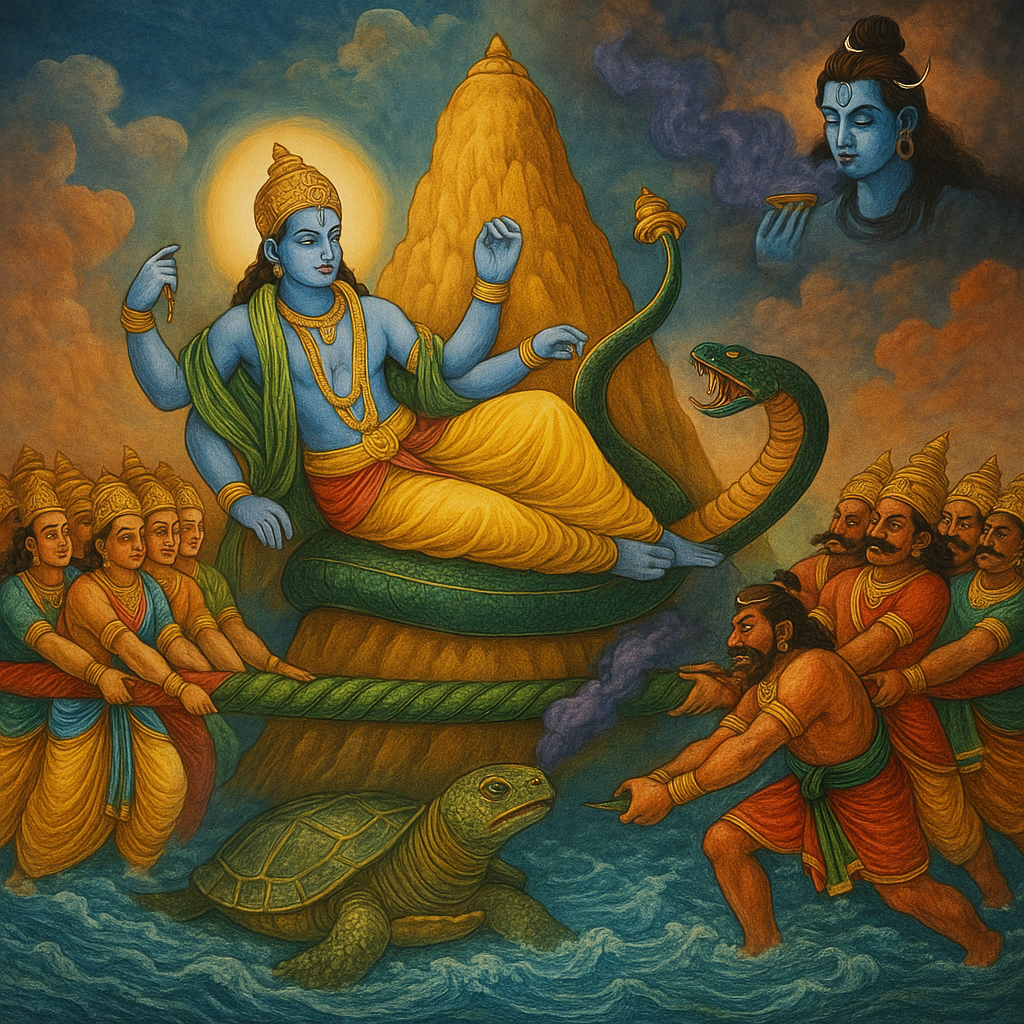
Churning of Ocean
The churning of the ocean read as a map of the soul: the gods, the demons, the poison and the nectar, and who is ready to receive what emerges.
-
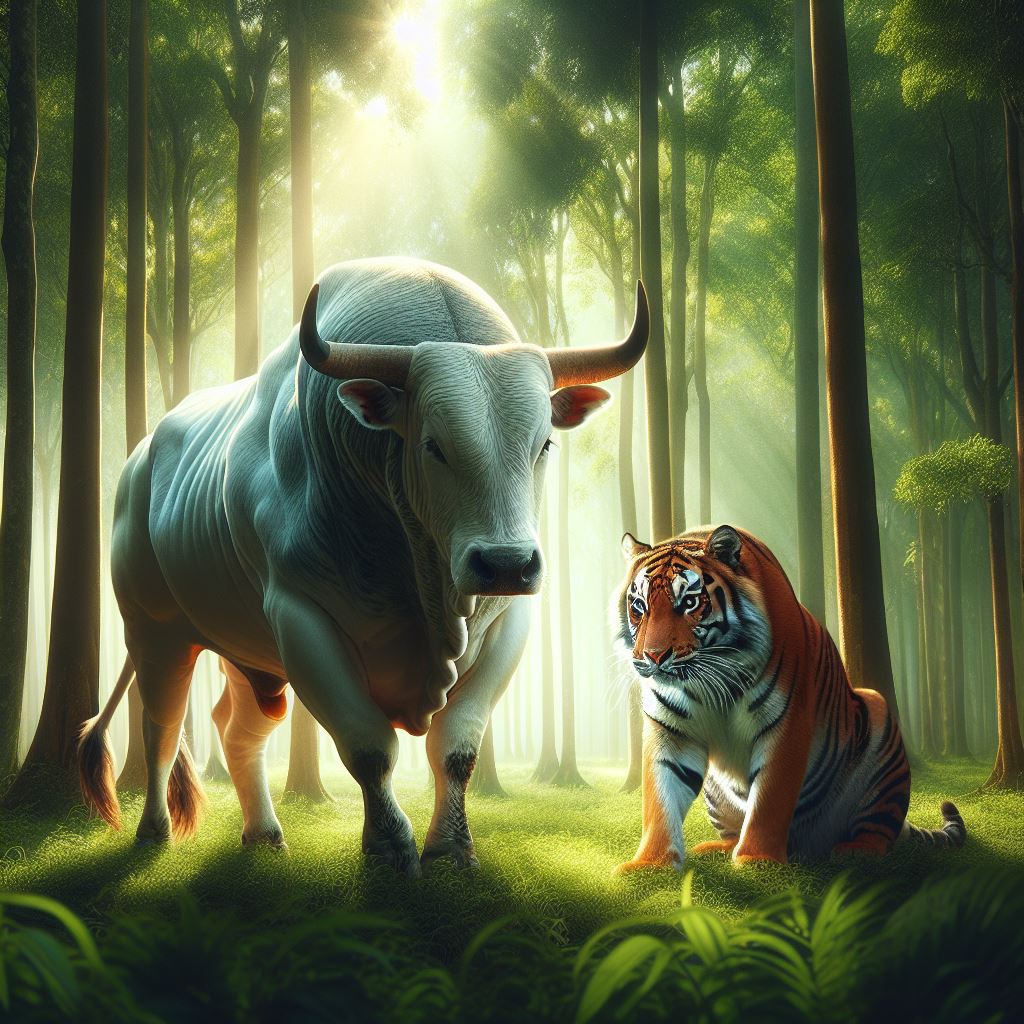
Shiva: Nandi and Tiger
Nandi the patient bull and the fierce tiger as two forces Shiva commands, and why the spiritual journey needs both steady devotion and relentless energy.
-
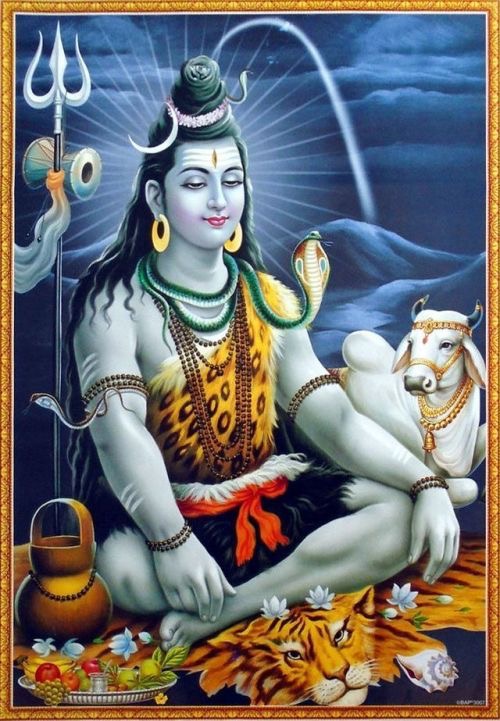
Shiva: The Being
Why does Shiva, the supreme ascetic, have one of the richest iconographies of any deity? His form read as a roadmap to the formless and a mirror of our own…
-
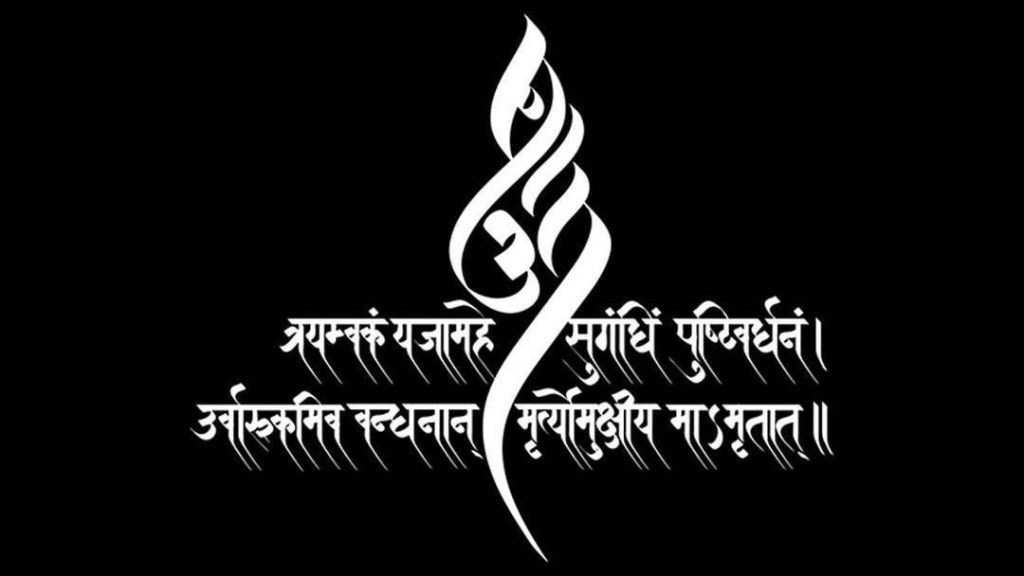
Shiva: The Liberation
After being and becoming, the coming back: the third Shiva essay reads the symbols in Shiva’s right hand for what they reveal about liberation.
-
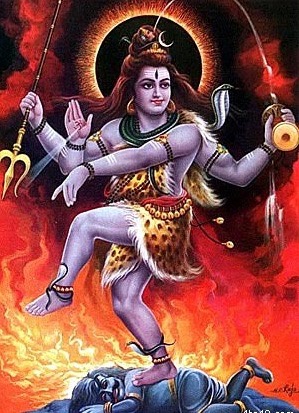
Shiva: The Becoming
Shiva’s stillness holds a rhythm. The second Shiva essay reads the damru, the serpent and the cosmic dance as the pulse of creation, ending in Shivoham.
-
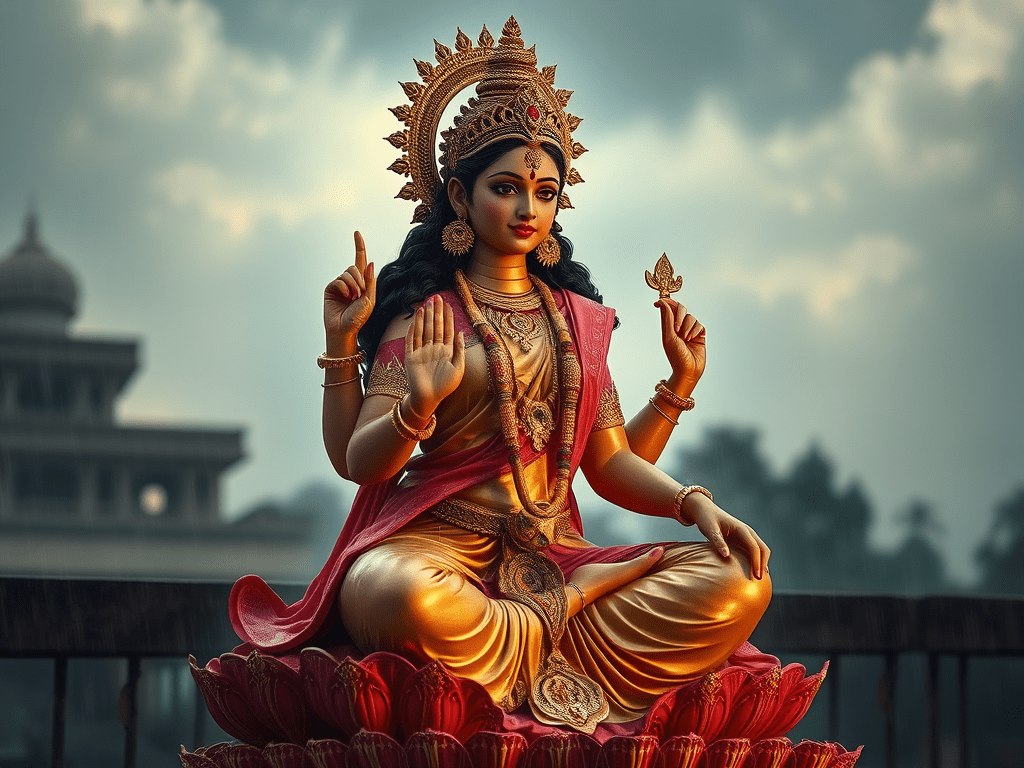
The Sacred Economics of Consciousness: A Holistic Synthesis of Lakshmi’s Complete Iconography
Lakshmi’s complete iconography read as a sacred economics of consciousness, where the pursuit of abundance turns into the art of receptive being.
-
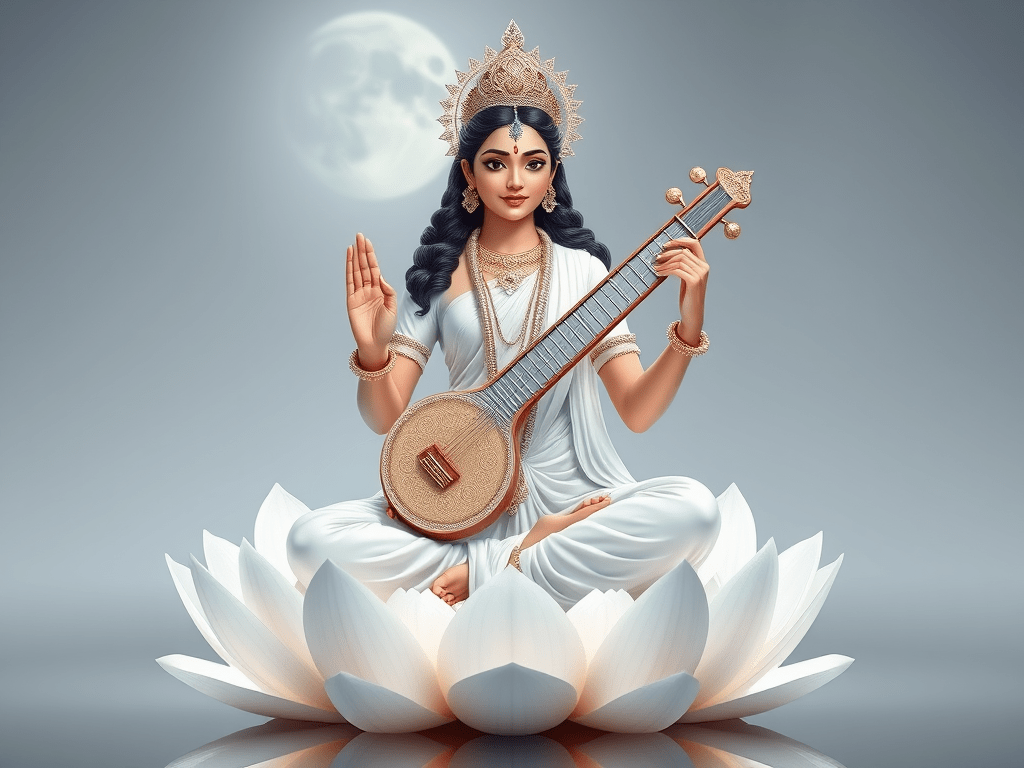
Saraswati: Decoding the Symphony of a Goddess in White
Saraswati decoded: what her white garments, the cooling light of wisdom and her other symbols say about purity, knowledge and consciousness.
-
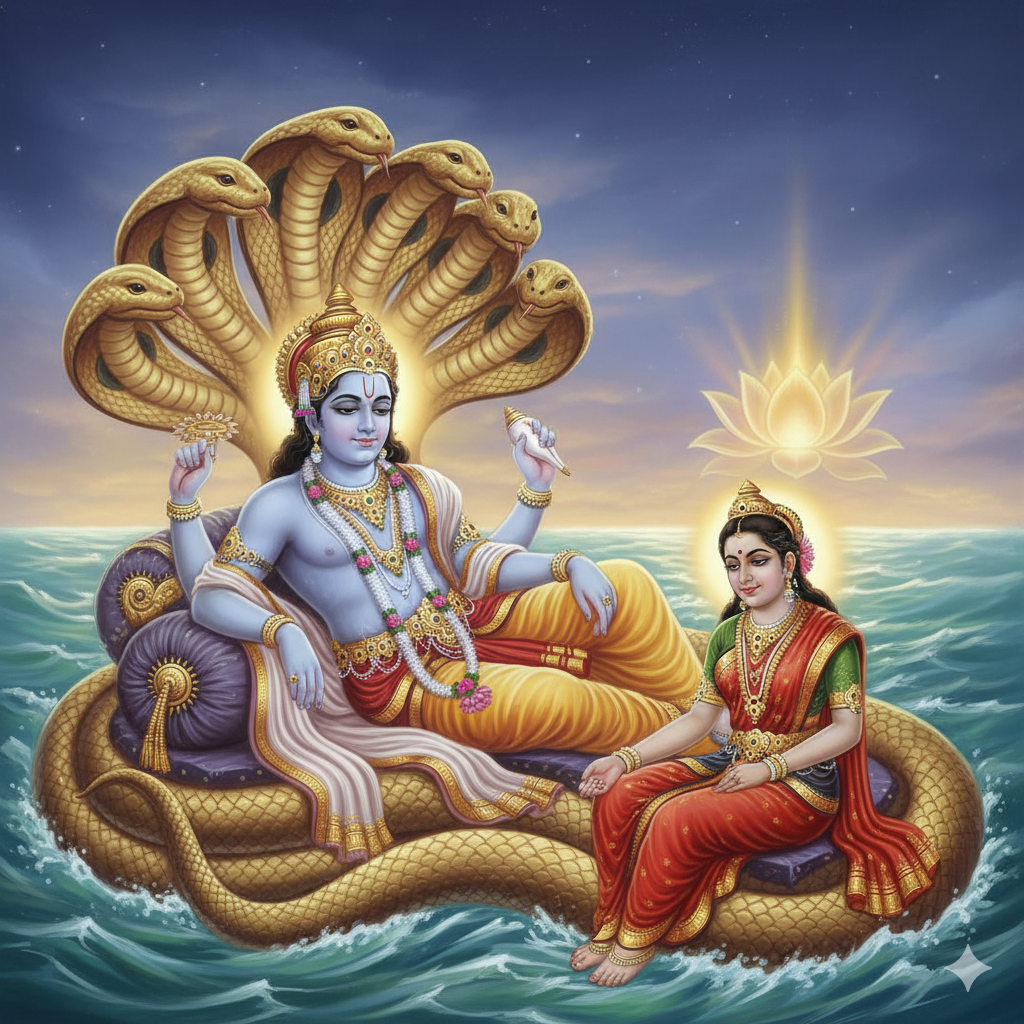
The Cosmic Dream: Lord Maha Vishnu and the Architecture of Existence
Maha Vishnu resting on Shesha in the Ocean of Milk: the unknowable foundation, the ocean as the domain of patterns, and yoga nidra as transcendent rest.
-
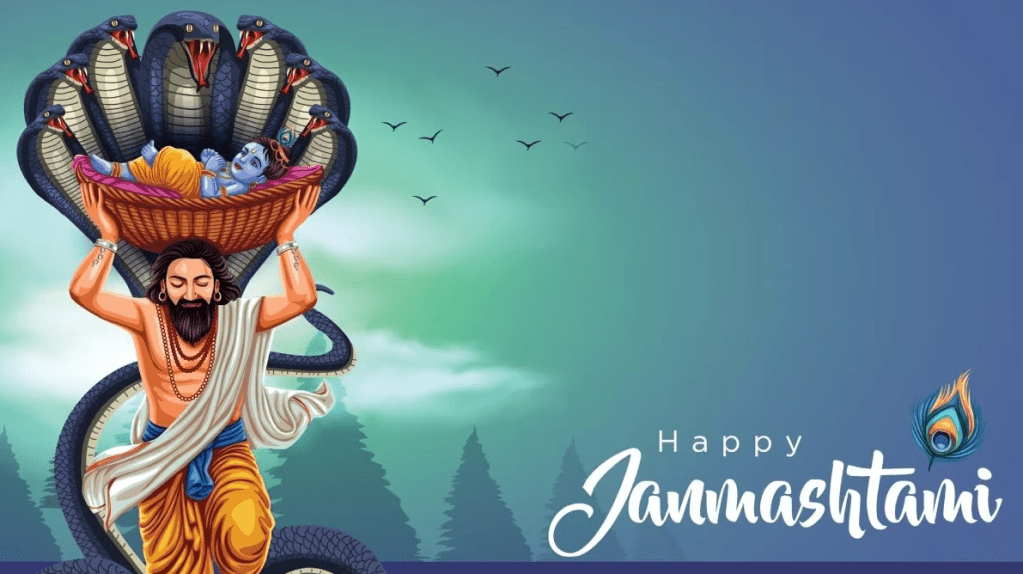
Janmashtami’s Hidden Blueprint: The Journey from Sadhana to Bliss
Janmashtami’s hidden blueprint: Ashtami as birth through inner discipline, Mathura’s sweet prison, Kamsa as the ego, and the journey from sadhana to bliss.
-
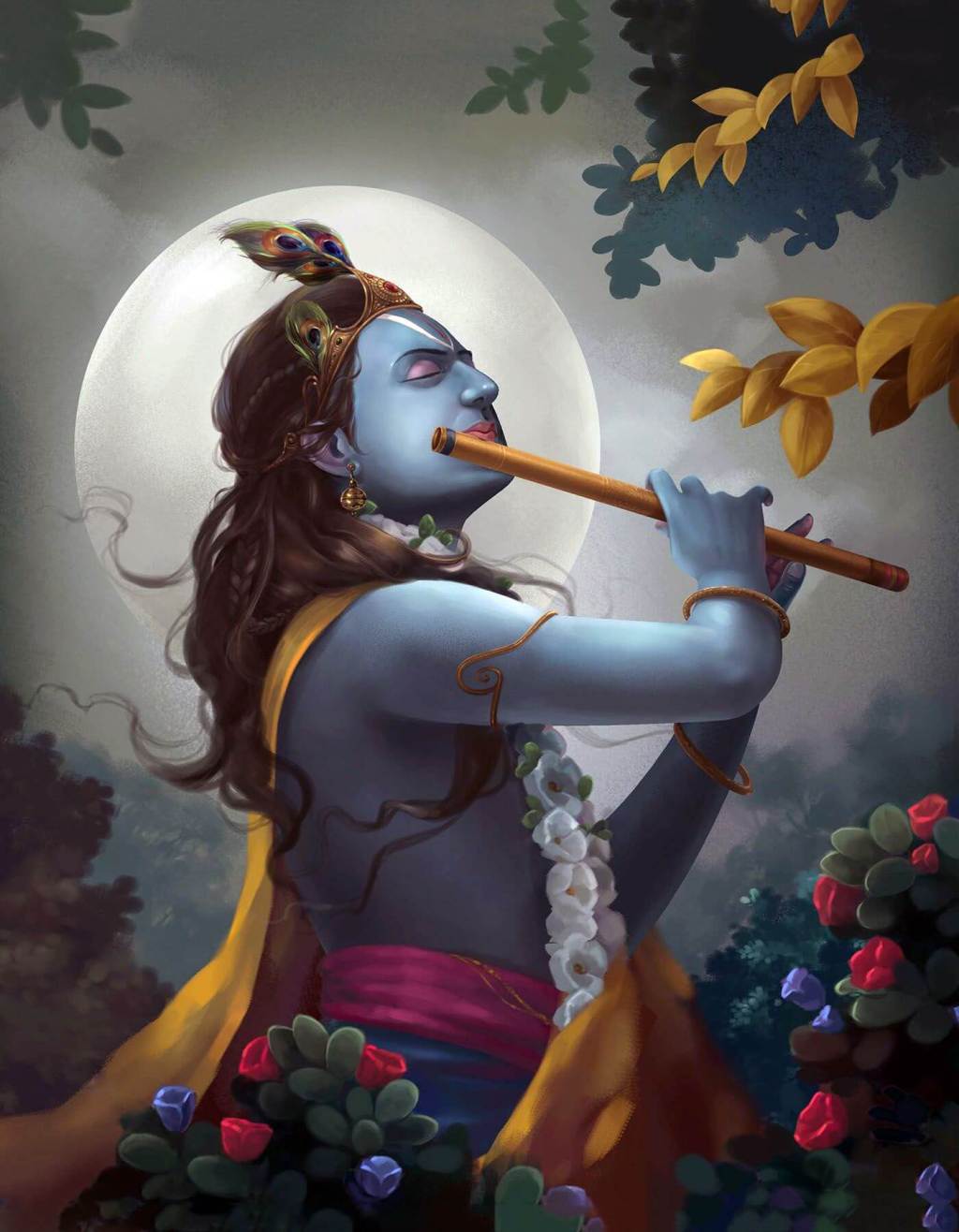
Beyond the Flute: Deconstructing the Esoteric Iconography of Krishna
Beyond the flute and the peacock feather: Krishna’s esoteric iconography, from Gopala and Govardhan to Agochara and Shyama, the incomprehensible one.
-
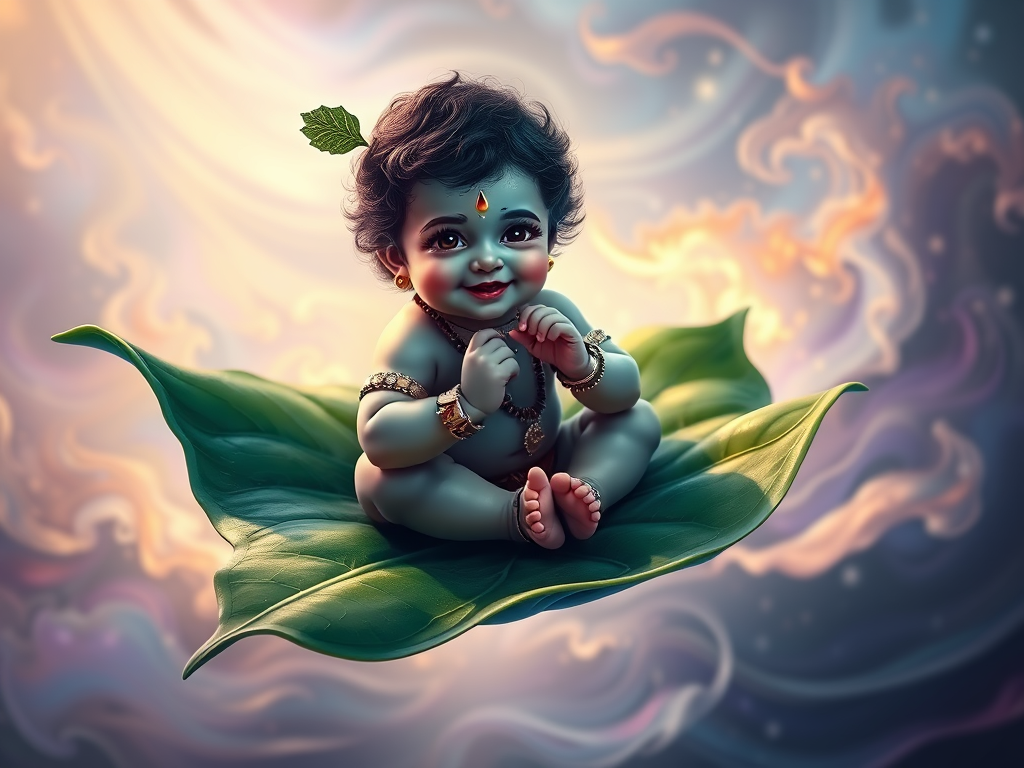
The Cosmic Child: Vatapatrasayi and the Universe in Baby Form
Why does the infant Krishna rest on a banyan leaf during pralaya? What the child, the leaf and the cosmic ocean of the Vatapatrasayi image signify.

