
Iconography & Stories reads the symbols, deities and characters of Indian tradition as maps of the inner life: Shiva, Ganesha, Kali, Vitthala and Rama, and the people and tales of the Ramayana, the Mahabharata and the Puranas.
Topics in Iconography & Stories
- Iconography: the forms, weapons and symbols of Shiva, Ganesha, Kali, Vitthala and Rama, collected in the full list below.
- Personalities: what Hanuman, Vibhishana, Draupadi, Karna and others stand for.
- Stories: the hidden symbolism of tales from the epics and the Puranas.
A reading path through form and meaning
Start with Krishna in Beyond the Flute, then enter the Shiva series. These are invitations to interpret a symbol through the inner life. For a companion reflection on Krishna’s assurance of provision and protection, read Yogakshemam Vahamyaham.
Every essay in Iconography & Stories
-
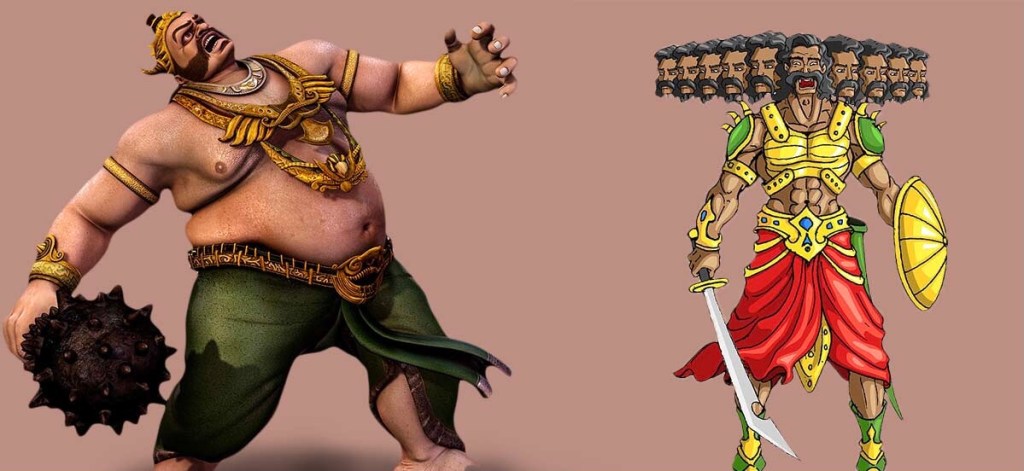
Adharma: Ravana and Kumbhakarna
Ravana had knowledge, the Vedas and reason, so what made him adharma? Ravana and Kumbhakarna read through fear and hope, and why knowledge alone is not enough.
-
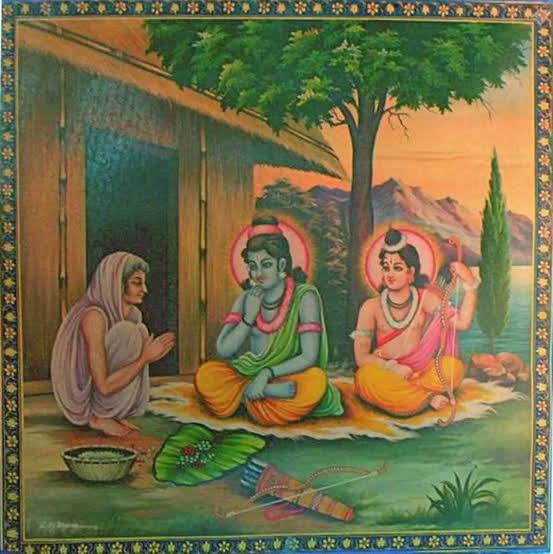
Shabari
Why does Shabari taste the berries before offering them to Rama? A reading of the Ramayana story through devotion, gratitude and Lakshmana’s response.
-
Ahalya
The story of Ahalya decoded: Ahalya as untouched nature, Indra as the senses, Gautama’s curse turning her to stone, and Rama’s touch as the grace that awakens.
-
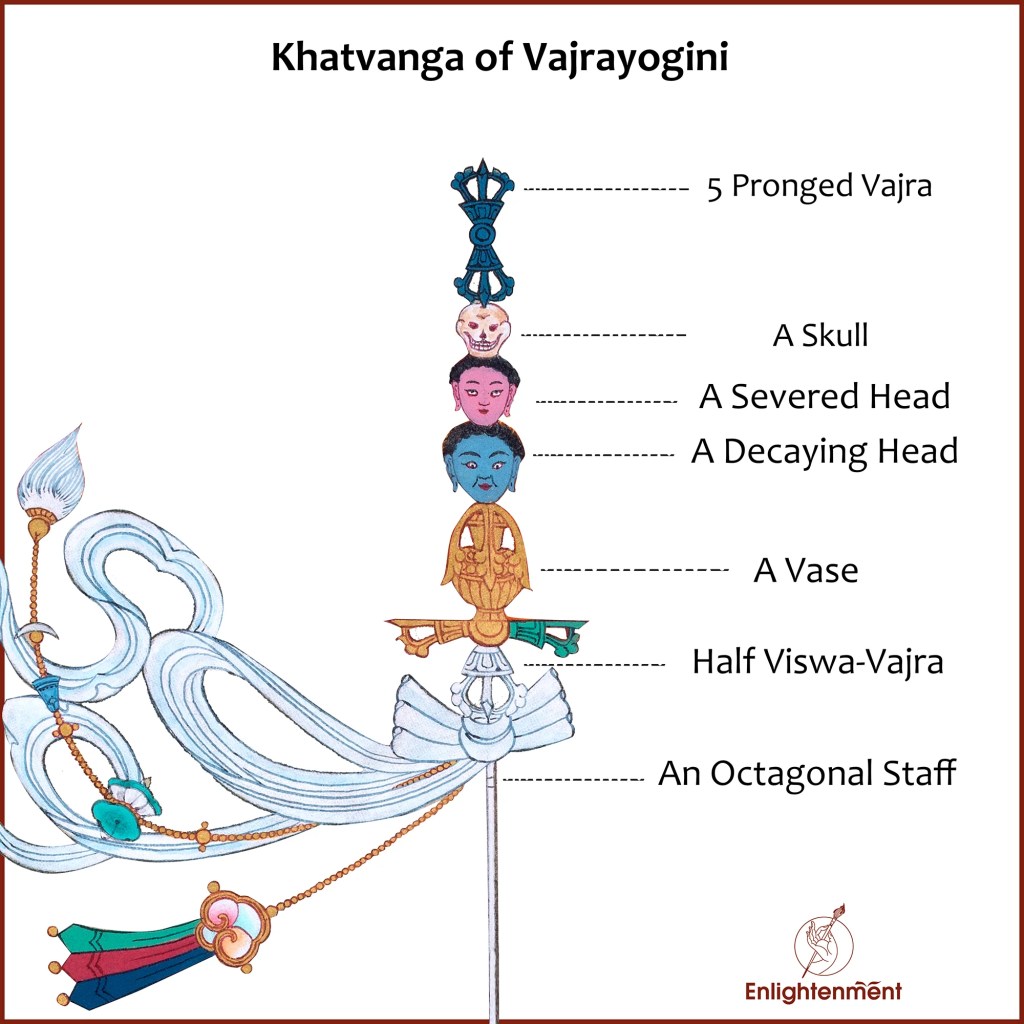
Jarasandha and Khatvanga
Jarasandha read as the pain body: disease, ageing and dependence, the khatvanga, and why Bhima, son of the wind god Vayu, is the one who defeats him.
-
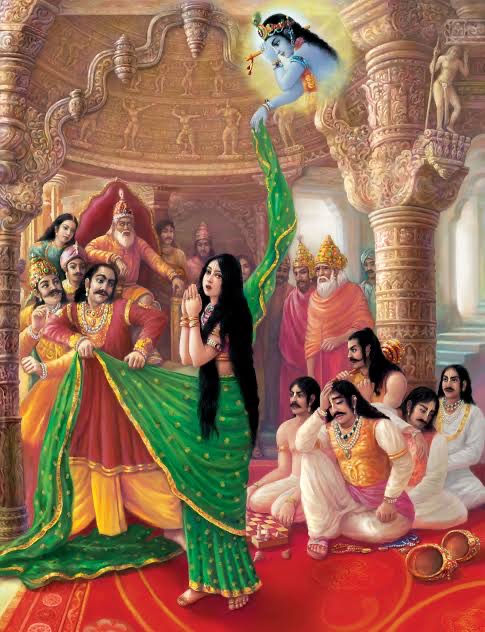
Draupadi
Draupadi’s disrobing read symbolically: Duhshasana as the desires that strip away our composure, and Krishna’s protection for those who surrender completely.
-
Ayodhya King: Lord Ram
Why is Ram so often misunderstood? What he gave up, Sita and the golden deer as the ego, and Ayodhya as the space without conflict that we can reclaim.
-
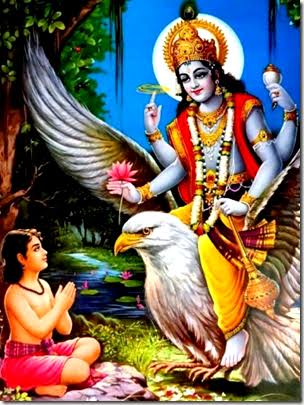
Story of Dhruva
The story of Dhruva decoded: Uttanpada, Suruchi and Suniti as body, desire and morals, and how surrender guided by Narada leads to the pole star’s stillness.
-
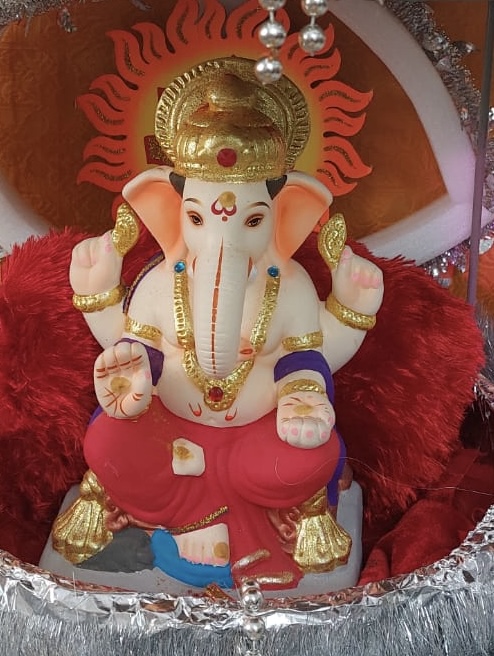
Lord Ganesha
Why Ganesha is the friendliest of gods, and his birth story read symbolically: Parvati as Maya, Shiva’s trident as dispassion and the elephant head as wisdom.
-
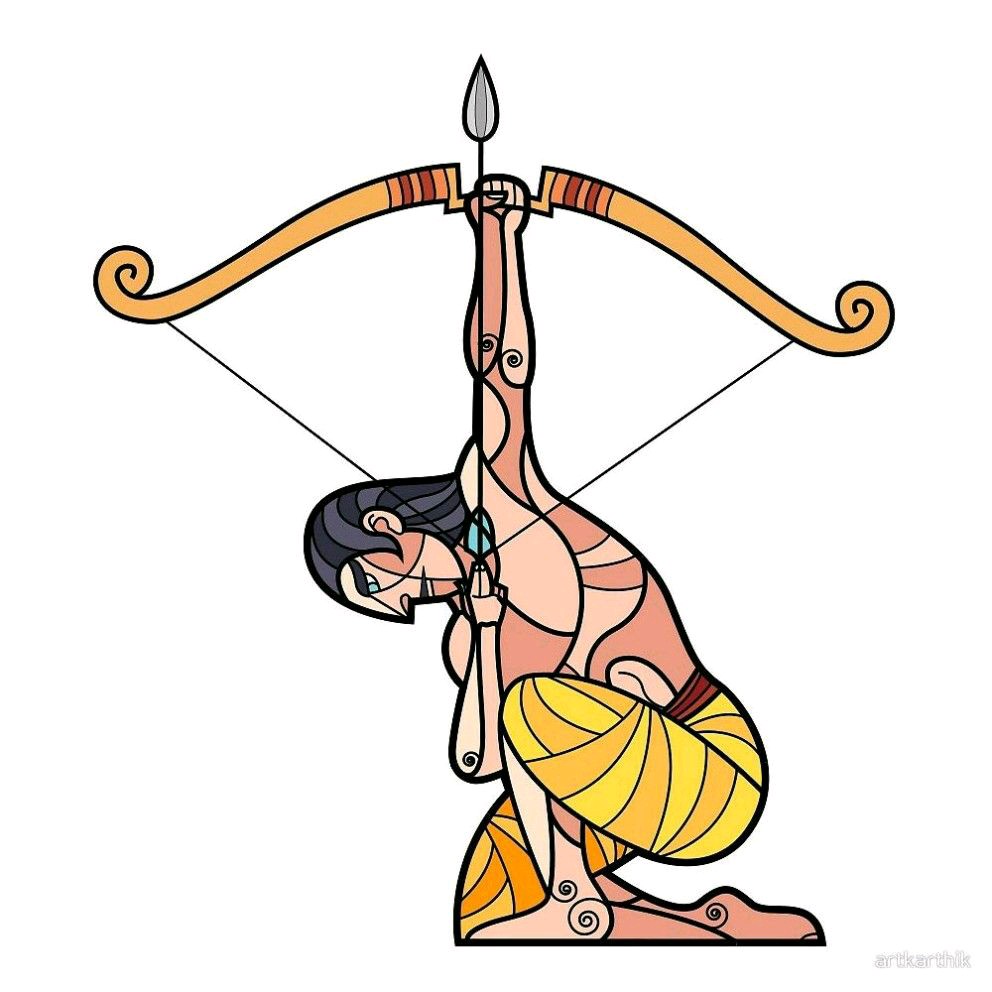
Ekalavya, Arjuna and Karna
Three great archers compared: Arjuna the seeker who surrenders, Karna who refuses guidance, and Ekalavya the true disciple who gives everything to his guru.
-
Jarasandha
Jarasandha read as the pain body, the energy that feeds on old emotional pain: why it keeps returning however often it is defeated, and what finally ends it.
-
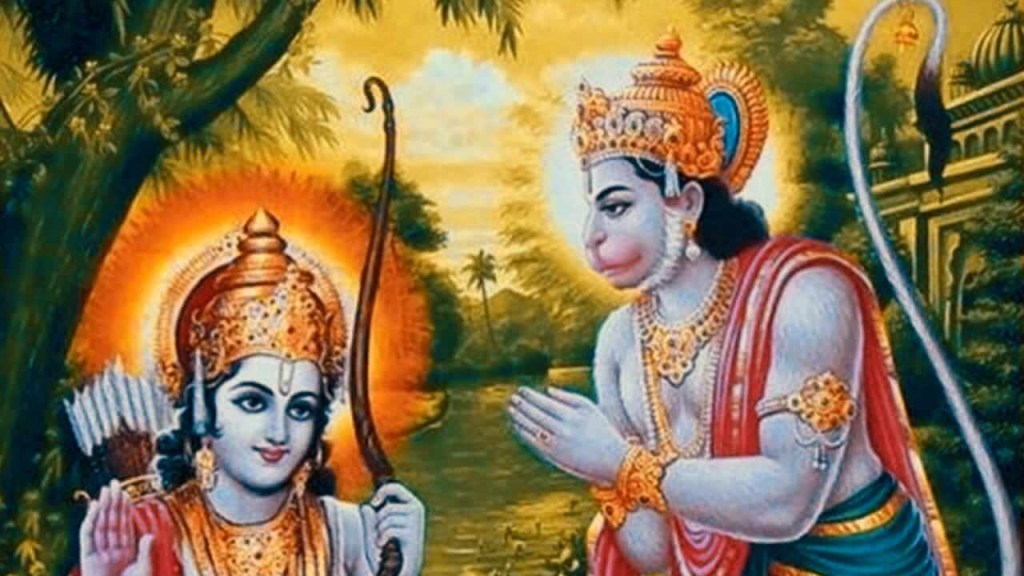
Being Hanuman
Tulsidas’s Hanuman is learned, virtuous and wise because he is always ready to do Rama’s work. Hanuman as a model of surrender, humility and right action.
-
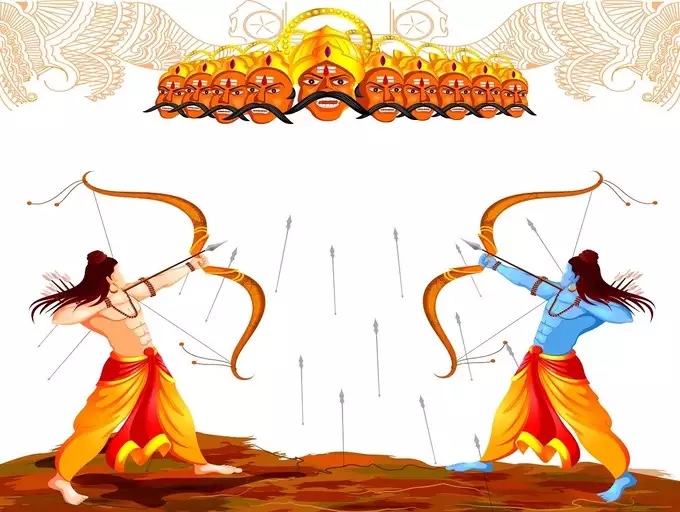
Ramayana
The Ramayana as an inner journey: what Rama, Sita, Hanuman and Ravana symbolise, and how exile, the jungle and the return map the path from ego back to consciousness.
-
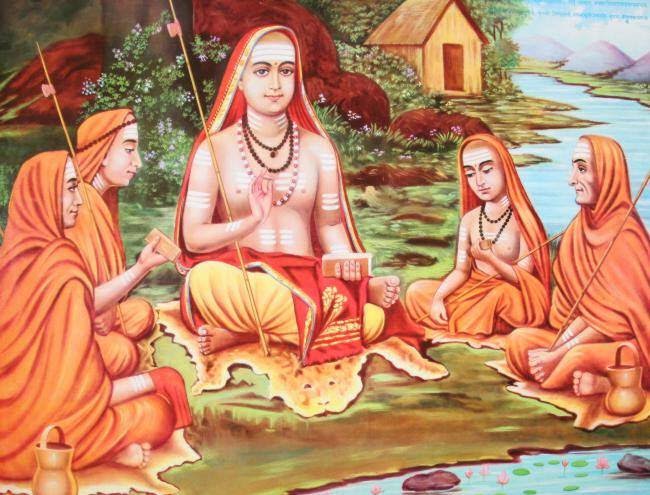
Guru
On Datta Pournima, Lord Dattatreya as the wholeness given to all: what Atri and Anasuya signify, and a rendering of the Guru Gita’s praise of the Guru.

