
This blog series tries to discover hidden symbolism behind the personalities using modern interpretation tools
-
Sita: The Mahat
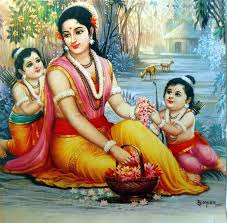
The Ramayana is not merely an epic poem; it is a spiritual roadmap. Its characters are not just people; they are cosmic principles playing out a divine drama within us. We are told Ayodhya is a “city of No Conflict,” yet we see that even Lord Rama had to leave it. He gained nothing personally,… Read More
-
Tara: Wise Restraint
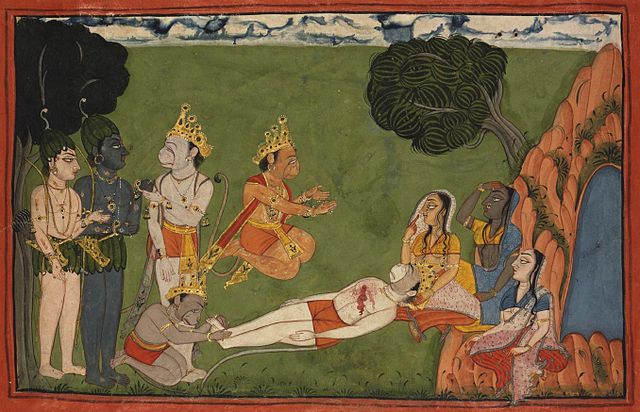
In the spiritual epic that unfolds within our own psyche, the kingdom of the mind—symbolized by Kishkindha—is governed by forces both subtle and profound. Among them stands Tara, a beacon of wisdom and restraint. Revered as one of the Panchakanya, her purity is not merely of conduct, but of an unwavering purpose that shines amidst… Read More
-
The Unified Vision: Pundalik and Vitthala as One Sacred Teaching
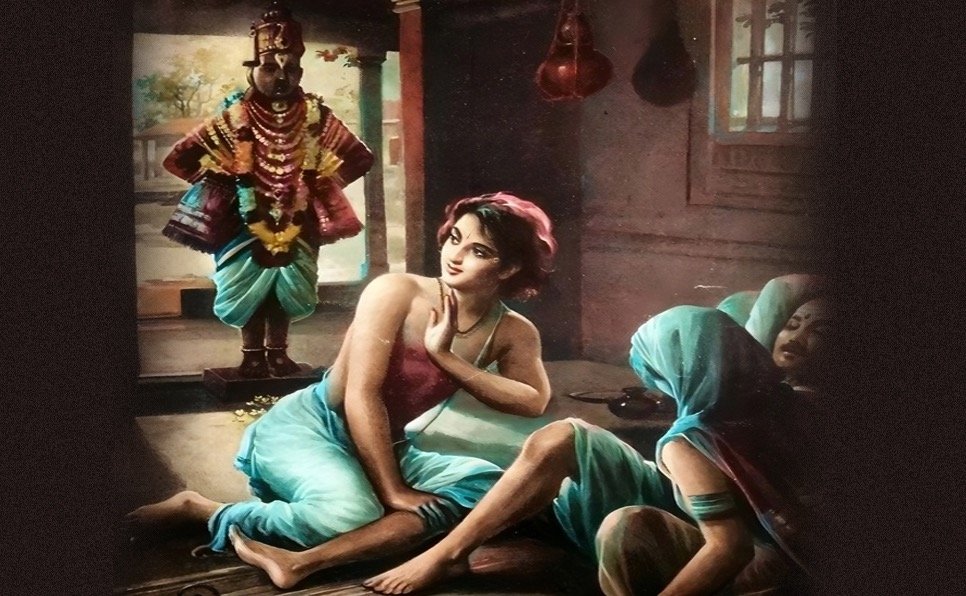
Standing in the eternal tableau of Pandharpur, we encounter one of the most profound spiritual teachings ever crystallized in stone and story. Here, in the simple picture of Vitthala waiting on his brick while Pundalik serves his parents, lies a complete map of spiritual realization that speaks to seekers across every path and temperament. This… Read More
-
Mandodari : Wisdom
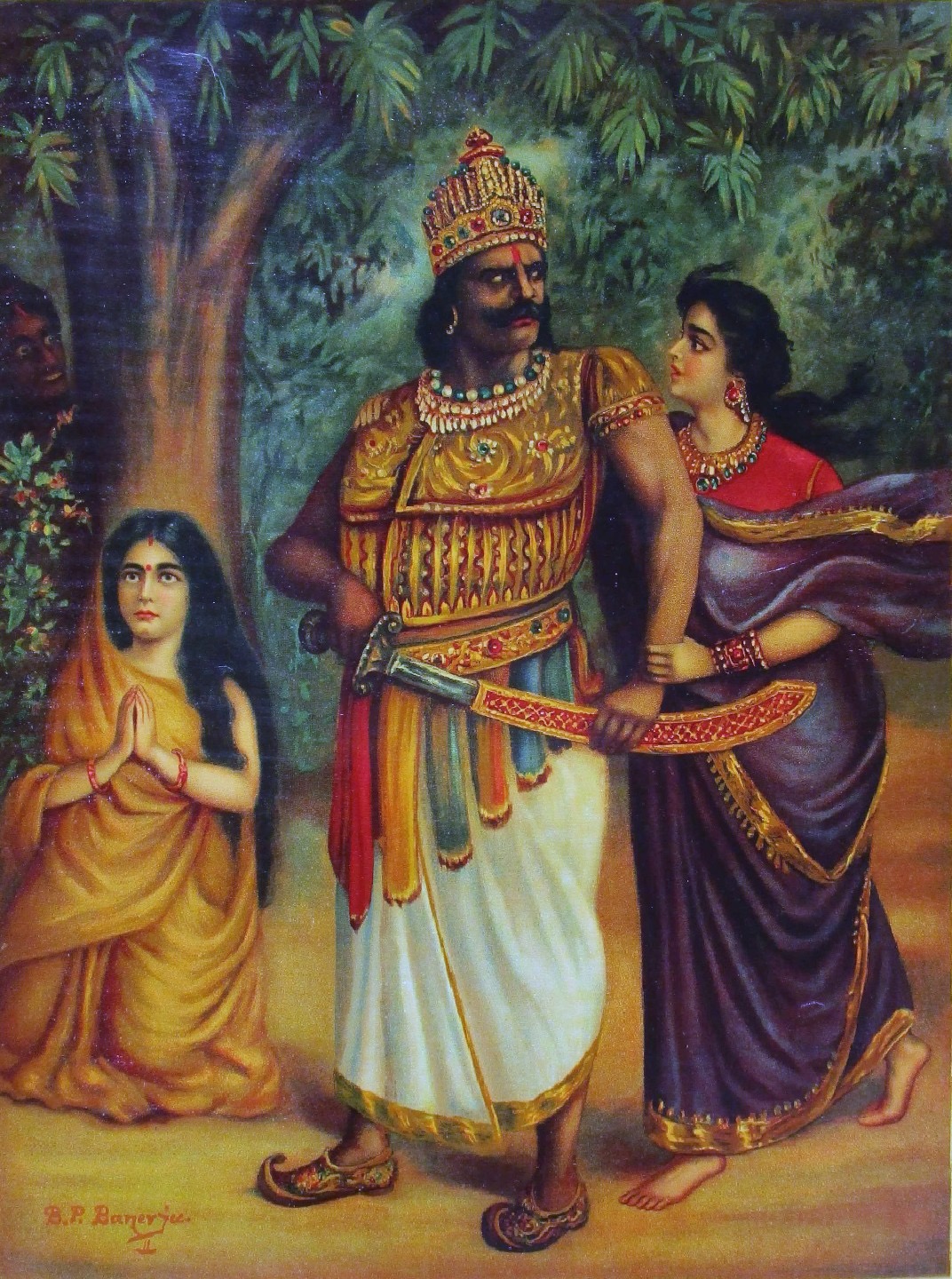
Terminology First! Mandodari: The name is traditionally translated as “soft-bellied,” a marker of her beauty. But let’s look deeper. The root “Manda” means slow, gentle, or soft. “Udari” relates to the core, the belly. Symbolically, Mandodari is the slow, persistent, and gentle voice of wisdom that resides in our very core. She is the faculty that always remains… Read More
-
Barbarika : A Witness
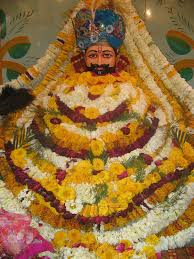
We all walk through life armed with our own set of infallible arrows. Perhaps it is the power to reason, the power to restrain, or the power to concentrate. We believe these gifts make us formidable, ready to be warriors for justice. We see a world of conflict and, with the purest of intentions, we… Read More
-
Dharma: Vibheeshana
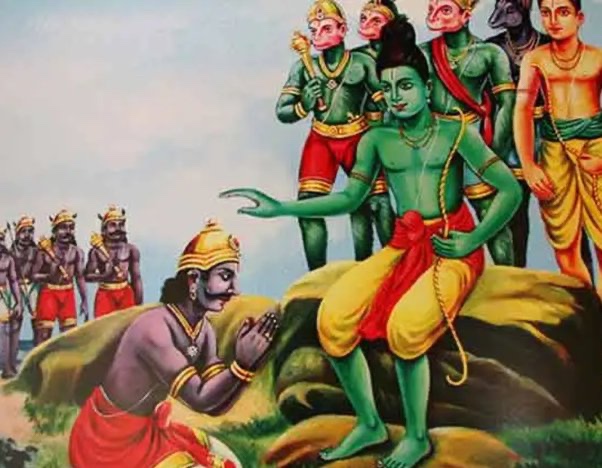
Last blog discusses the qualities of Rajas and Tamas and argues that the foundation to acquire these qualities is Fear. It equates Ravana to Rajas and Kumbhakarna to Tamas. Both gunas provoke us to perform adharmik deeds. Vibheeshan is Sattwic. He represents Sattwa Guna. He therefore does everything that dharma dictates him. Unlike his brothers,… Read More
-
Adharma: Ravana and Kumbhakarna
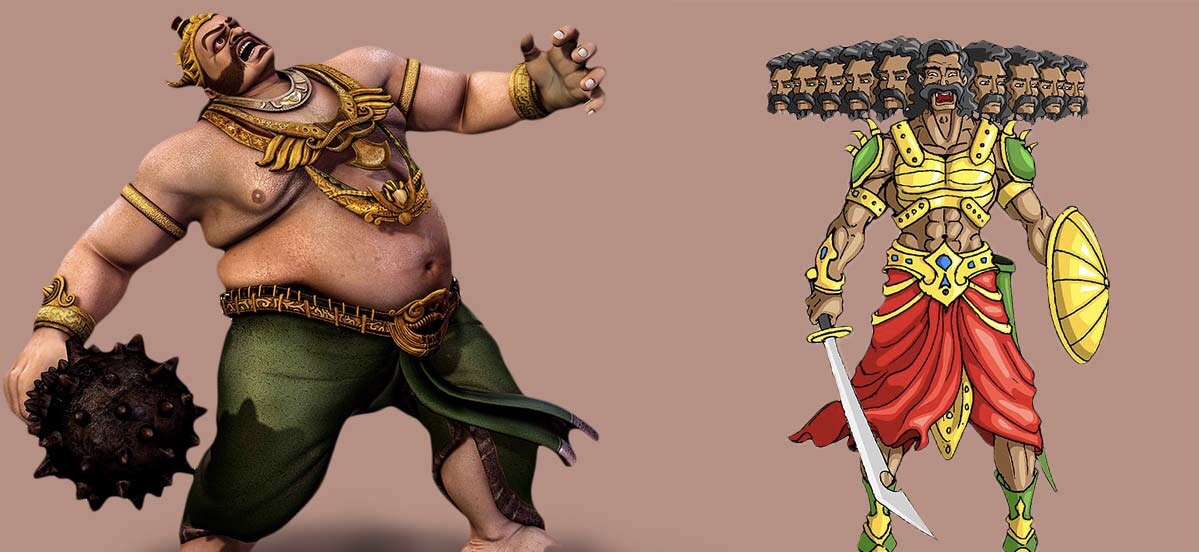
Knowledge, vedas, science, logic, reasoning, intelligence! These all things or qualities were very well present in or very well known to Ravana if you remember. Ravana is also called Dashanana to signify his mastery on the knowledge. Are these qualities or knowledge necessary or helps us to know Rama? Of course not! Otherwise Rama would… Read More
-
Shabari
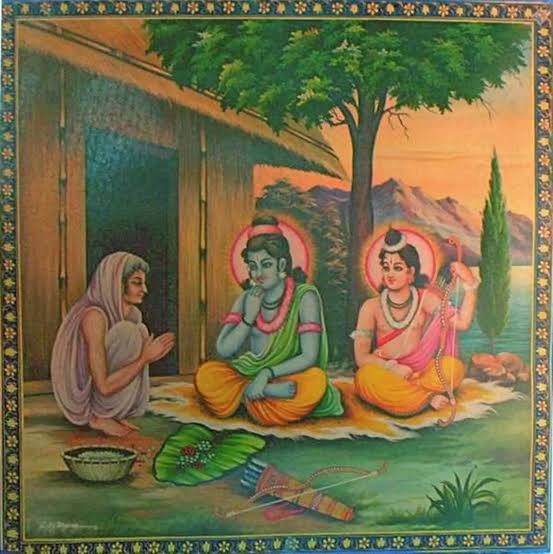
Ramayana is so fascinating that it compels me to think about my interpretations about small stories it contains. Last time we looked at Ahalya story. This time, let us take Shabari’s story. There are a lot of angles through which we can interpret this story. For example, it is an epitome of love, devotion and… Read More
-
Ahalya
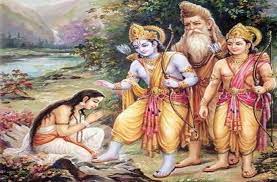
Yesterday, my seven year old daughter asked me to tell the story of Ahalya. I told the story. After that she asked me to tell another story. Her curiosity is immeasurable. However, I asked her some questions and told her to think over them. For example, I asked, Is Gautama Rishi right in cursing her?… Read More
-
Jarasandha and Khatvanga
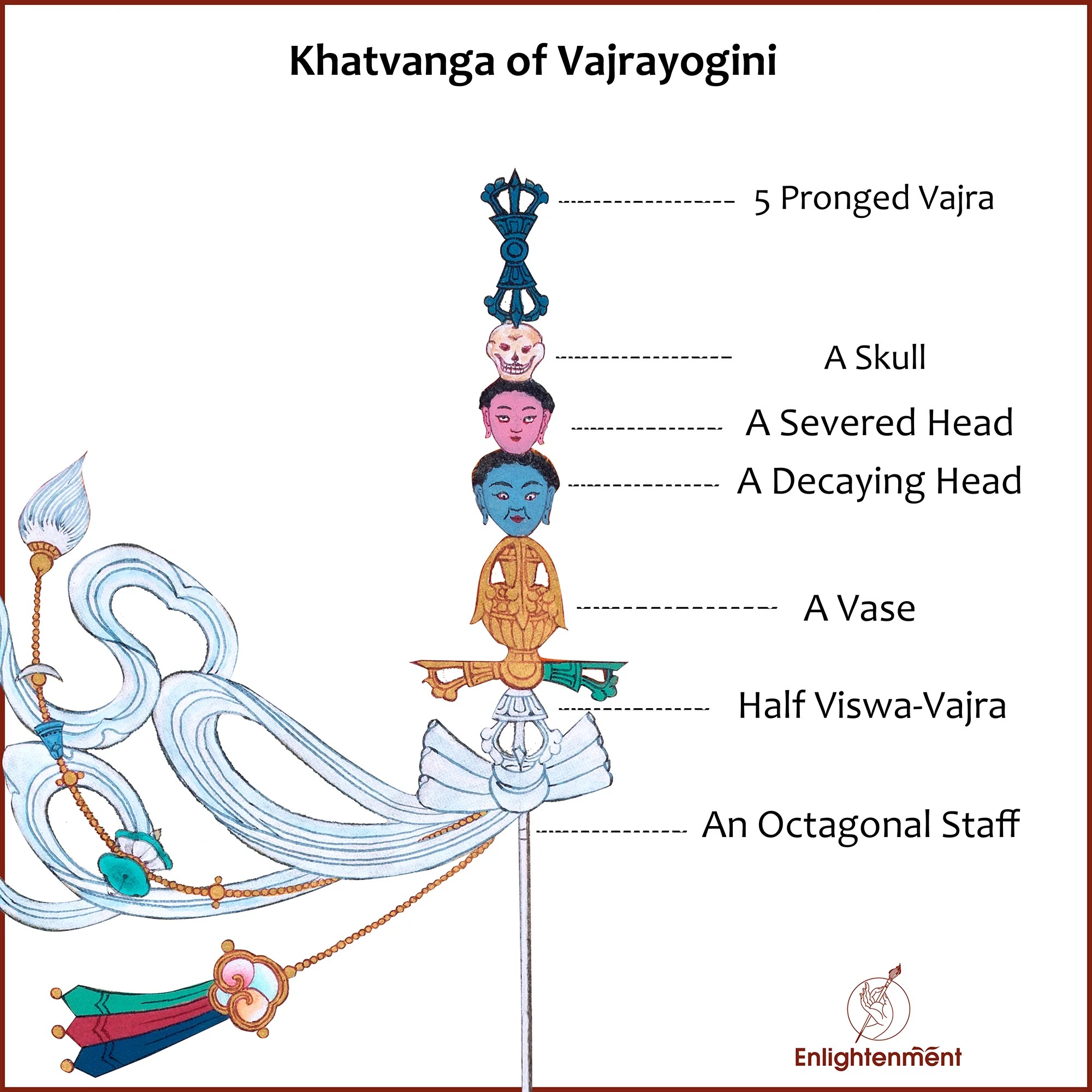
This blog, tries to represent Jarasandha as a pain body. I want to extend this or to generalize this notion of Jarasandha to mean anything that makes us age, makes us old, makes us decay! To put it in other words, Jarasandha is a disease that attacks us, attacks our mind, attacks our body. We… Read More
-
Draupadi
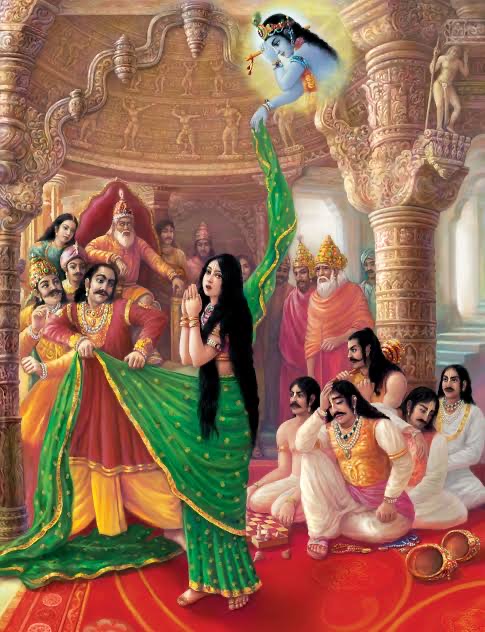
Shri Paramahansa Yogananda describes Draupadi as a force Kundalini . It rises up from Muladhara chakra to Vishuddhi chakra. I would like to offer my interpretation of Draupadi particularly in regards to her disrobing by Duhshasana. He represents desires who rule the mind and body. Desires are very difficult to rule. In fact they rule… Read More
-
Ekalavya, Arjuna and Karna

All of them are the best archers . Arjuna is a seeker of the truth. A #seeker always remains insecure and confused until he realises his true nature (becomes the knower of the truth) with the help of his #Guru! Remember he chooses #Krishna over Krishna’s all powerful army! He is humble and he knows… Read More
-
Being Hanuman

विद्यावान गुनी अति चातुर राम काज करिबे को आतुर।प्रभु चरित्र सुनिबे को रसिया राम लखन सीता मन बसिया। Poet saint Tulsidas describes Hanuman as full of knowledge and skills (Vidyavan), full of divine qualities (Guni) and extremely intelligent (Ati Chatur). It is because, Hanuman is Tatpar, that is, ever ready, present and always willing to… Read More
-
Guru
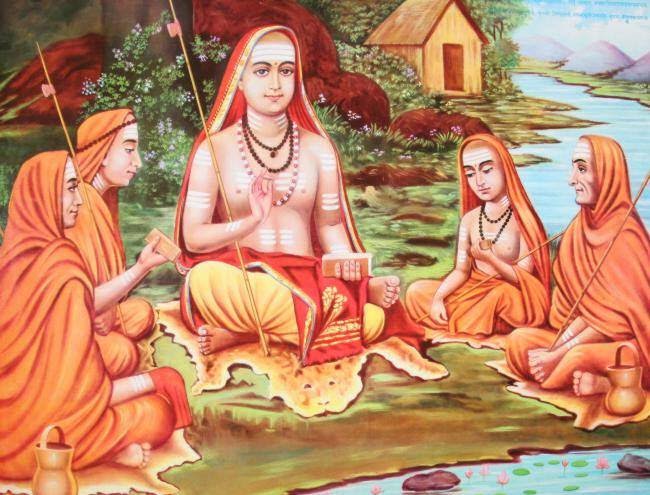
This is Margashirsha month, a Guru’s month. We celebrate Datta Pournima as Lord Dattatreya’s Birthday. Pournima connotes wholeness, completeness. Datta means given. It’s given to all of us. It’s given to everything that there is. This principle of wholeness is everywhere to be seen and experienced. It requires a curious and intuitive mind. Mruga symbolises… Read More
 Reinvent The Self!