Truth thrives at the intersections.
Iconography
Hindu iconography decoded: what the forms, weapons and symbols of Shiva, Ganesha, Kali, Vitthala and Rama teach, read through philosophy and modern lenses.
Browse by theme: Consciousness · Philosophy & Dharma · Iconography & Stories · Technology · Work & Mind
-
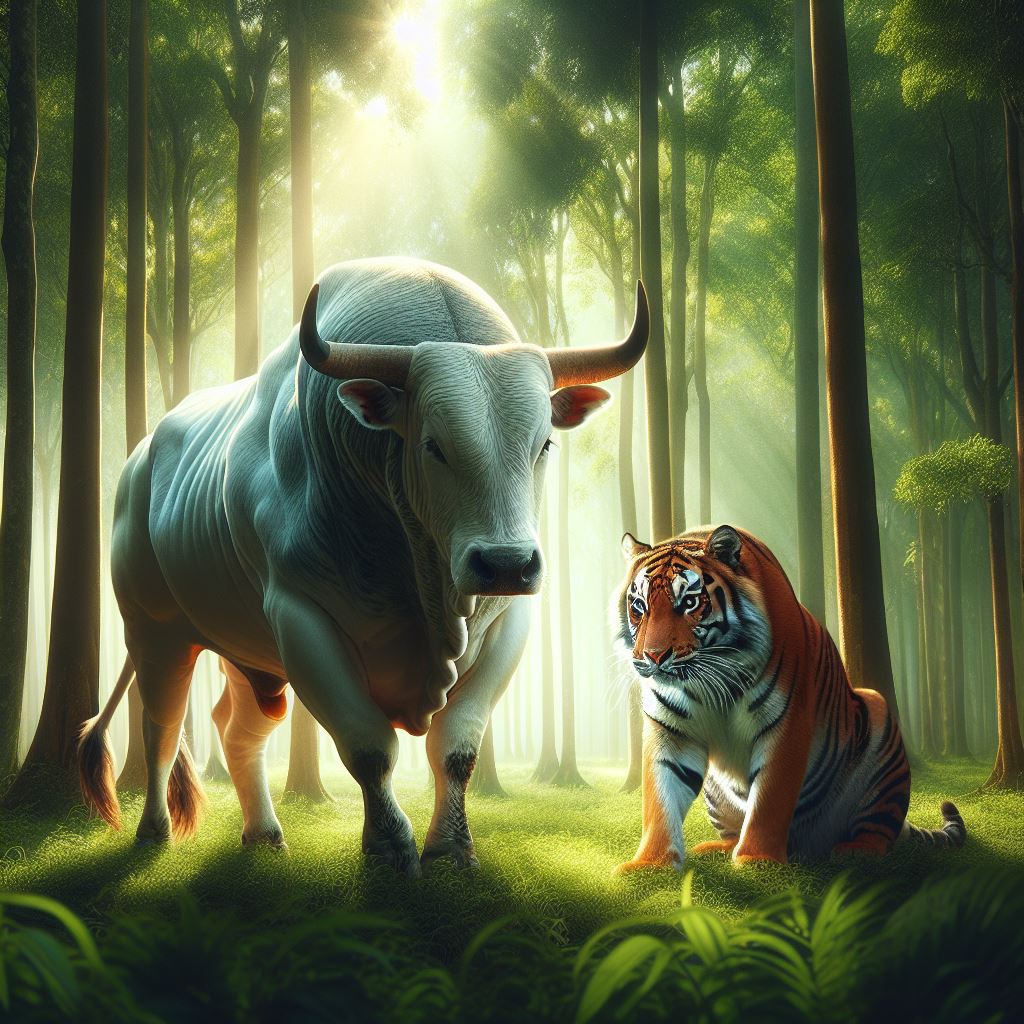
Shiva: Nandi and Tiger
Nandi the patient bull and the fierce tiger as two forces Shiva commands, and why the spiritual journey needs both steady devotion and relentless energy.
-
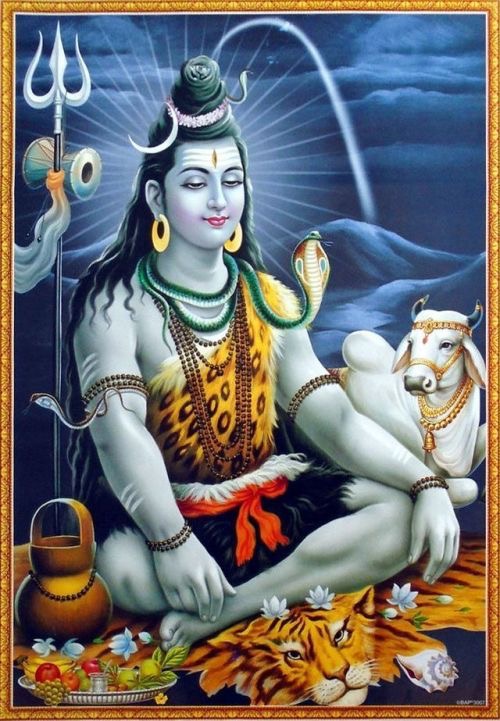
Shiva: The Being
Why does Shiva, the supreme ascetic, have one of the richest iconographies of any deity? His form read as a roadmap to the formless and a mirror of our own…
-
Shiva: The Liberation
After being and becoming, the coming back: the third Shiva essay reads the symbols in Shiva’s right hand for what they reveal about liberation.
-
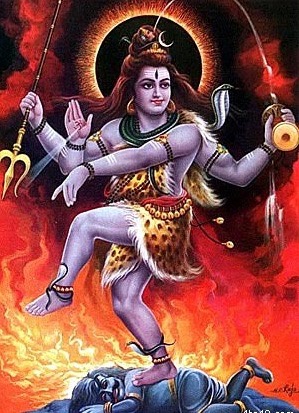
Shiva: The Becoming
Shiva’s stillness holds a rhythm. The second Shiva essay reads the damru, the serpent and the cosmic dance as the pulse of creation, ending in Shivoham.
-
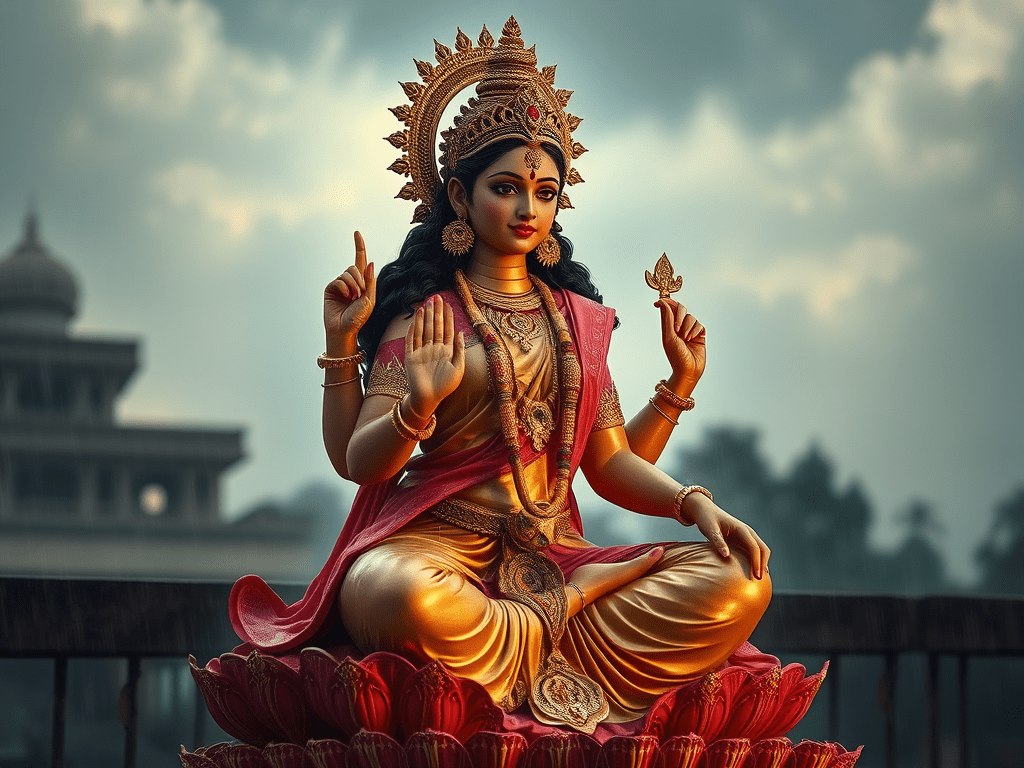
The Sacred Economics of Consciousness: A Holistic Synthesis of Lakshmi’s Complete Iconography
Lakshmi’s complete iconography read as a sacred economics of consciousness, where the pursuit of abundance turns into the art of receptive being.
-
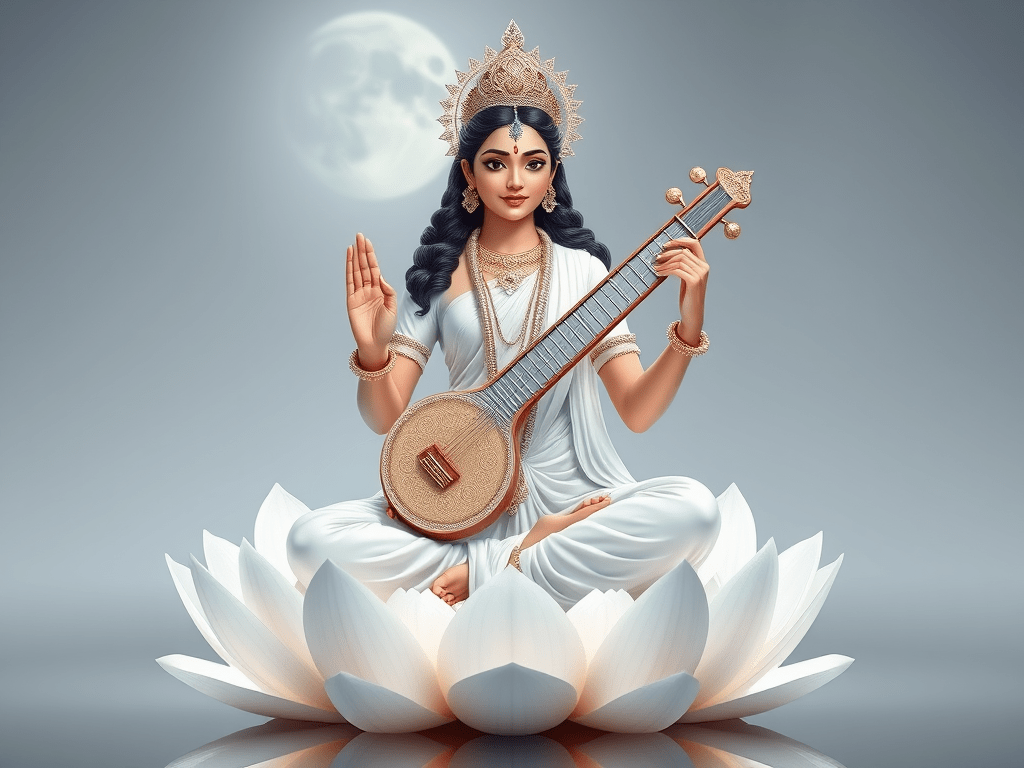
Saraswati: Decoding the Symphony of a Goddess in White
Saraswati decoded: what her white garments, the cooling light of wisdom and her other symbols say about purity, knowledge and consciousness.
-
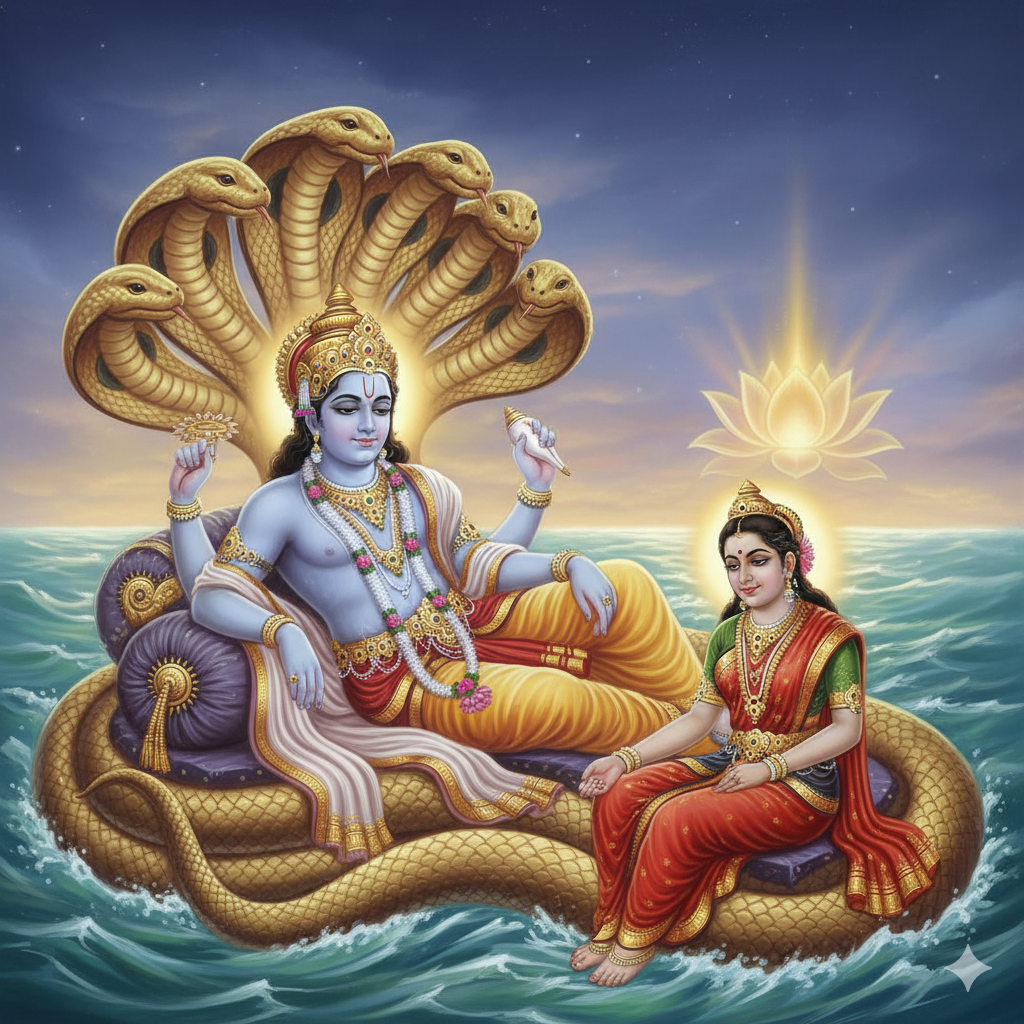
The Cosmic Dream: Lord Maha Vishnu and the Architecture of Existence
Maha Vishnu resting on Shesha in the Ocean of Milk: the unknowable foundation, the ocean as the domain of patterns, and yoga nidra as transcendent rest.
-
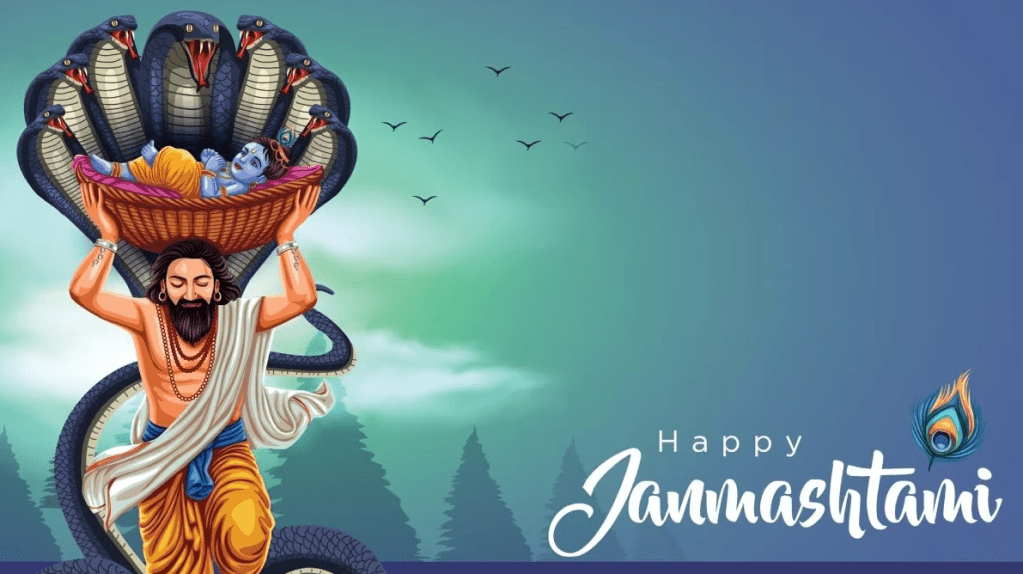
Janmashtami’s Hidden Blueprint: The Journey from Sadhana to Bliss
Janmashtami’s hidden blueprint: Ashtami as birth through inner discipline, Mathura’s sweet prison, Kamsa as the ego, and the journey from sadhana to bliss.
-
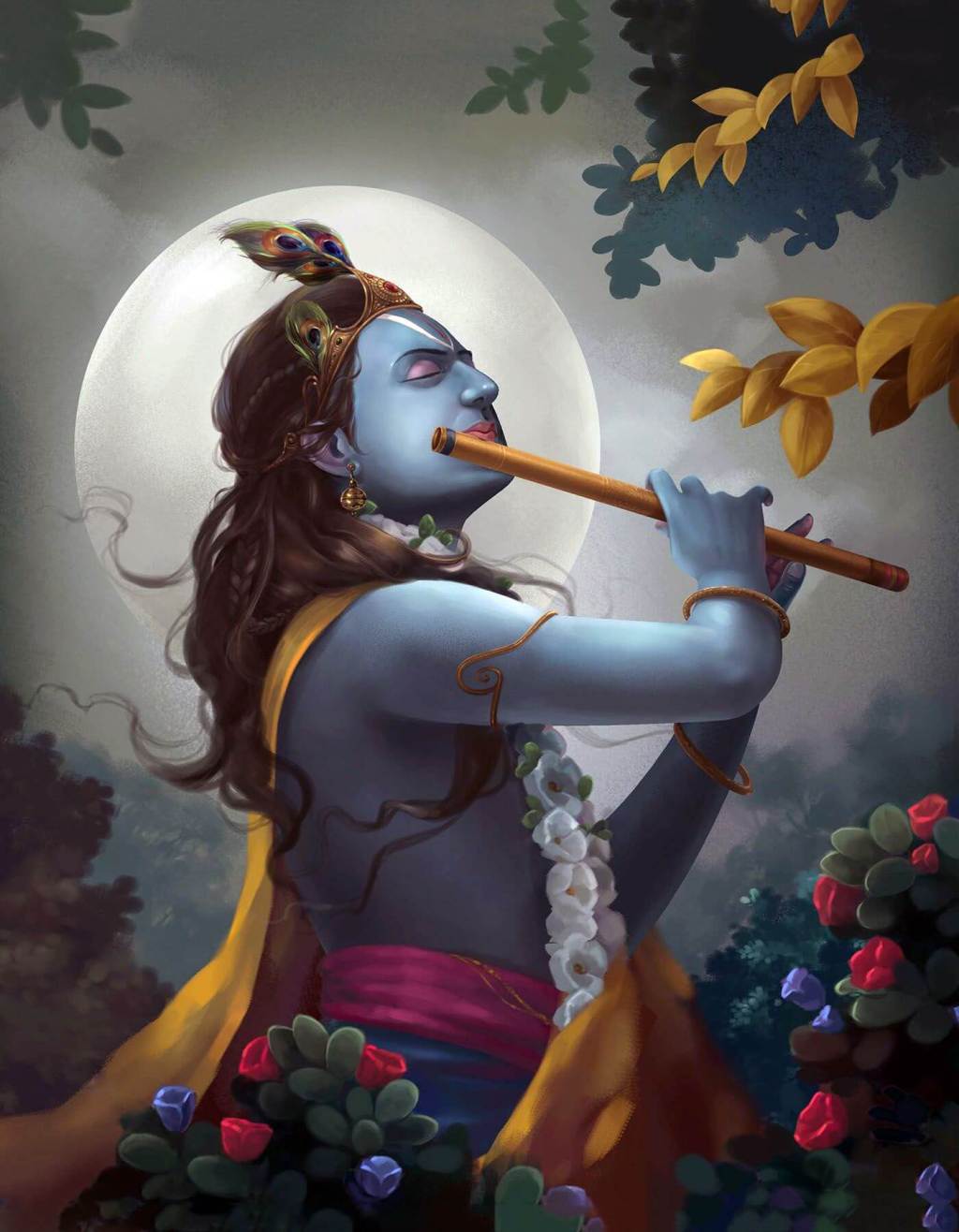
Beyond the Flute: Deconstructing the Esoteric Iconography of Krishna
Beyond the flute and the peacock feather: Krishna’s esoteric iconography, from Gopala and Govardhan to Agochara and Shyama, the incomprehensible one.
-
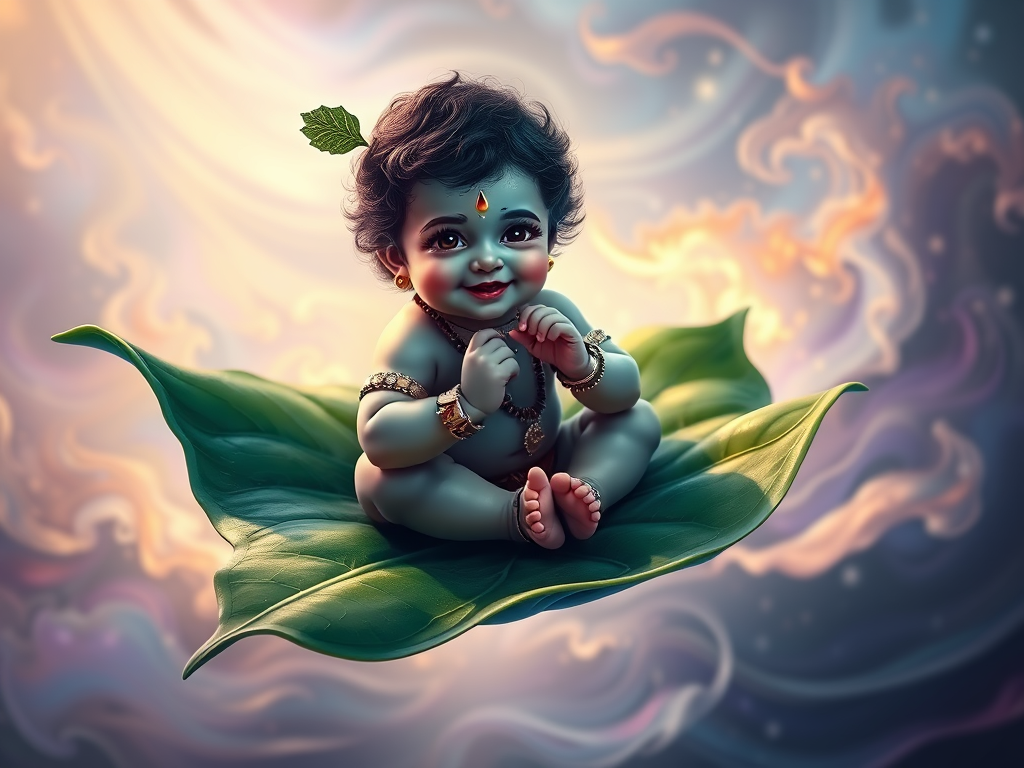
The Cosmic Child: Vatapatrasayi and the Universe in Baby Form
Why does the infant Krishna rest on a banyan leaf during pralaya? What the child, the leaf and the cosmic ocean of the Vatapatrasayi image signify.
-
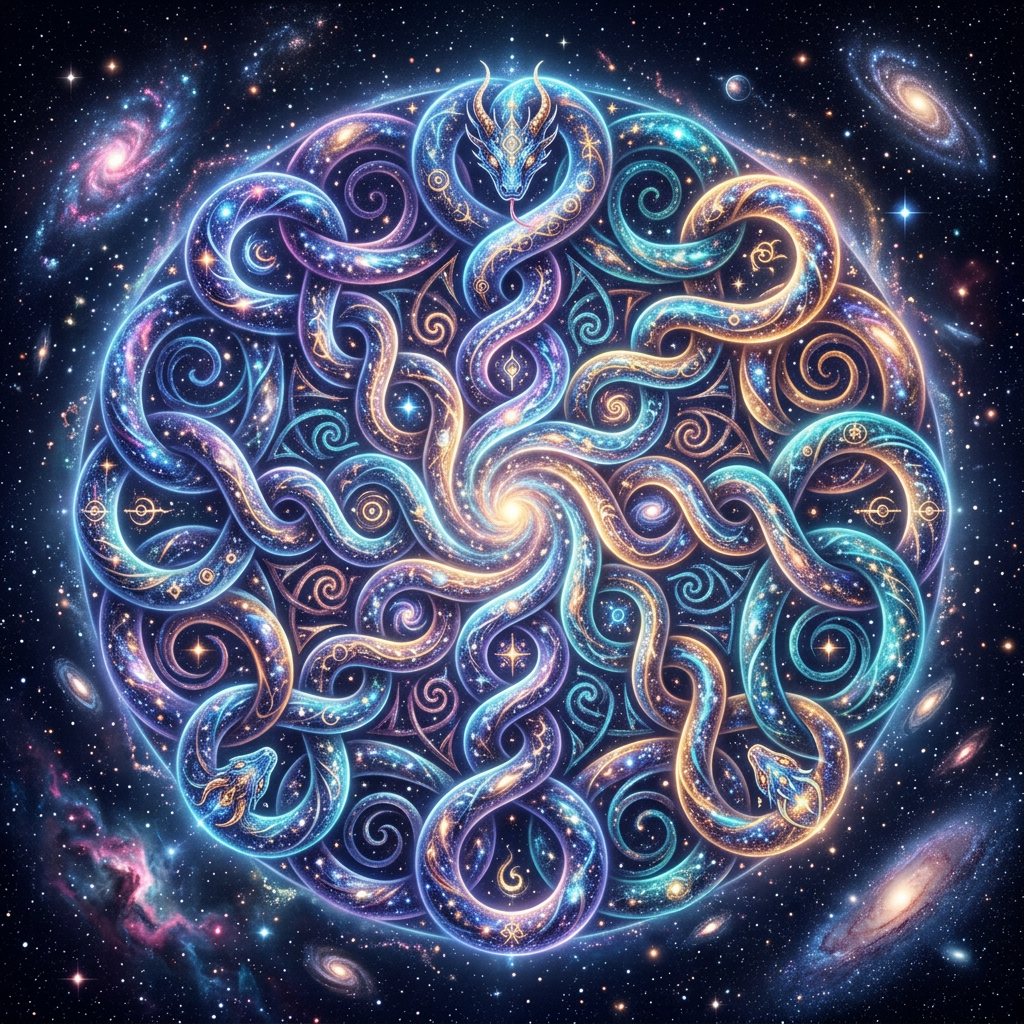
The Nine Cosmic Serpents: Ancient Principles of Transformation
The nine cosmic serpents of the Naga stotra, from Ananta and Vasuki to Kaliya, read as principles of transformation from bondage to freedom.
-
Shesha, Mathematical Beauty, and the Recognition (Not Invention) of Intelligence
Shesha, the serpent whose name means “that which remains”: why intelligence is recognised rather than invented, and what that means for AI research.

