
Work & Mind looks at leadership, management and the psychology of working life: what leaders can and cannot control, how organisations learn, and what remains once the career ladder stops being the point.
Topics in Work & Mind
- Leadership and Management: what leaders can and cannot control, decisions, feedback and how organisations learn, collected in the full list below.
- Psychology: fear, faith, uncertainty, habits and samskaras, read through Indian philosophy.
- After The Ladder: mid-life, money, optionality and what unfolds once the frameworks fall away.
Every essay in Work & Mind
-

The Mid-Life Operating Manual — From Accumulation to Antifragility
Somewhere between 40 and 48 the rules change. A mid-life operating manual: from the builder who accumulates to the player who seeks antifragility.
-

The Cult of Optionality — Why ‘Forced’ Debt Is the Ultimate Freedom
Spreadsheets favour optionality, but is it freedom or procrastination? Why a forced commitment like debt can become duty and prove stronger than discipline.
-

The Fourth Gesture: When Even the Trinity Dissolves
After non-duality, transcendence and futility, a fourth gesture: life when nothing is left to hold, and awakening as an entrance rather than an exit.
-

The Golden Handcuffs of Wisdom: A Philosophical Critique of Morgan Housel
A philosophical critique of Morgan Housel: financial independence as a mirage, compounding as life’s waiting room, and why to read Housel for the world but look inward for the self.
-

After the Ladder: When Even Transcendence Becomes Obsolete
After the path, the clearing: when even transcendence becomes obsolete, the comedy of solutions and dissolutions, and the gradations of futility that liberate.
-

The Gradations of Utility: A Journey Through Financial Philosophy and Beyond
Consciousness as a traveller climbing a mountain: the gradations of utility in financial philosophy, where each altitude needs its own tools and none invalidates another.
-

The Sacred Authenticity: When Being True Becomes the Highest Love
We are taught that love means accommodating others. Why being true to oneself may be the highest love, with examples of truth that transforms relationships.
-

The AI Paradox: How a Dialogue on Communism Led to the Core of Human Authenticity
A late-night dialogue that began with AI and communism and ended with authenticity: the question AI really asks of us is how to be true, every day.
-

The Rama Algorithm and the Parallel Government We Serve: A Spiritual Reckoning with Our Digital Age
Algorithms now shape what we read, whom we meet and what we want. The Rama algorithm as legitimate rule, against a parallel government of systems that hijack our virtues.
-

Why Strategy Is a Derivative and Love the Underlying Asset
Strategy as a derivative and love as the underlying asset: why strategy contracts and corrupts, what Barcelona revealed, and why devotion comes before blueprint.
-

Beyond the Subtle Ego: When Krishna Consciousness Dissolves the Doer
A parent, a child and a mobile phone: the difference between using divine faculties and letting divinity use you, and the Gita’s teaching on the doer.
-
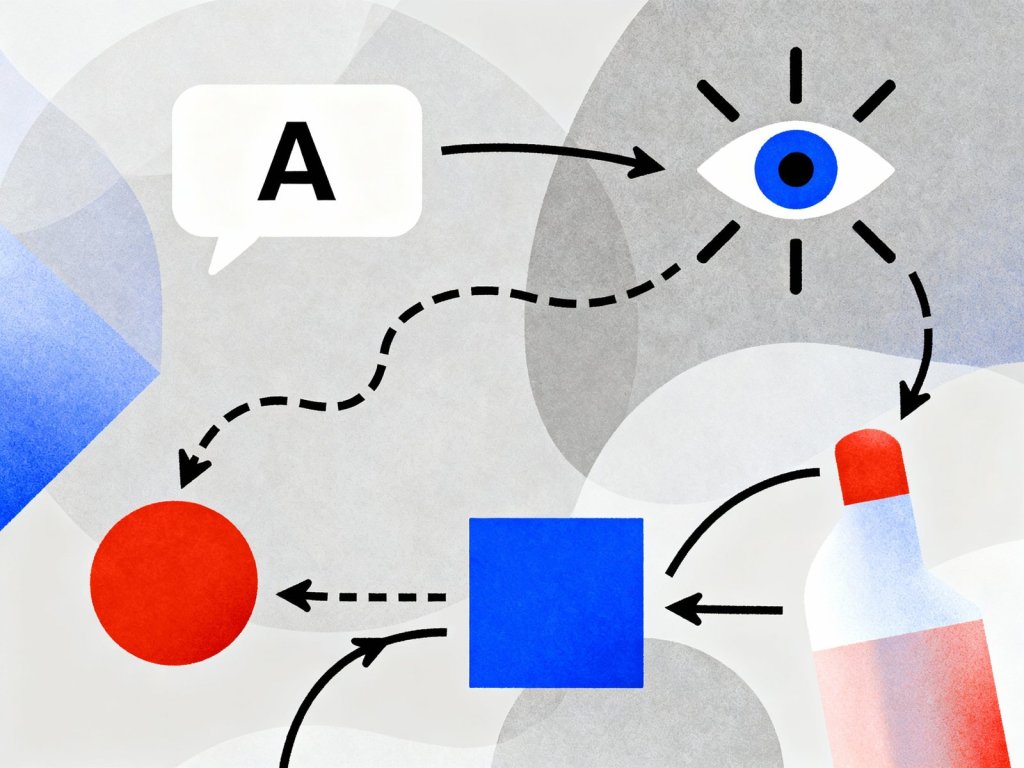
Beyond the Code: The Evolving Dialogue Between AI and the Mysteries of Consciousness
Can computation alone ever understand? From the easy problems of consciousness to the hard question, five philosophical problems that AI cannot sidestep.
-
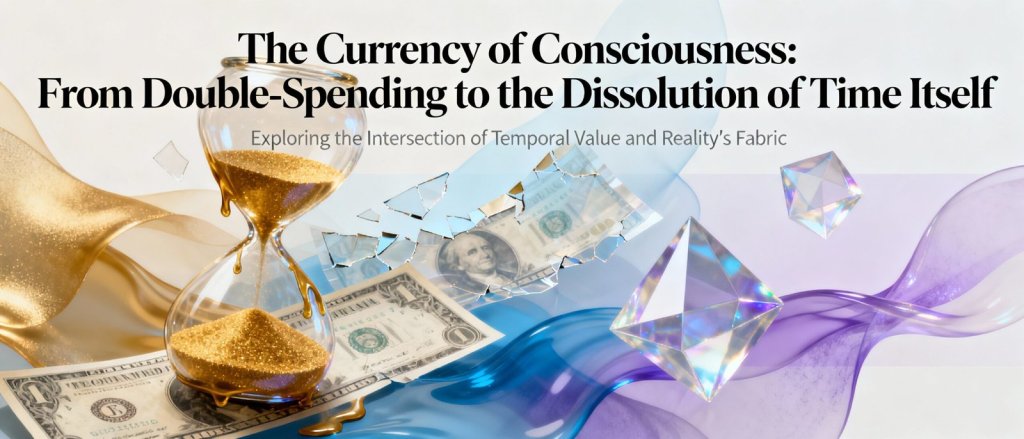
The Currency of Consciousness: From Double-Spending to the Dissolution of Time Itself
“A penny saved is a penny earned”, inverted: the moment as the primary currency, the double-spending problem, the illusion of accumulation and the dissolution of time.
-

The Illusion of Control: Why RTO Mandates Reveal a Crisis in Understanding Consciousness
What return-to-office mandates reveal about control: managers as prompt engineers, the problem of credit, and why meaning lives in autonomy rather than supervision.
-

What They Still Don’t Teach You At Harvard
Four decades after What They Don’t Teach You at Harvard Business School, why the next business wisdom is learning to stop: adaptation, exhaustion and manufactured insufficiency.
-

When Krishna Went to War: The Difference Between Correction and Protection
Was Krishna correcting his elders or protecting dharma? On setting boundaries in family conflict, and the difference between the ego’s escalation and dharma’s.
-

The River, the Map, and the Unstruck Sound
We meet the world through a model that predicts, narrates and sometimes lies. On two arrows, facts and acts, correlation, language, and the unstruck sound.
-

Beyond the Model: Pain, Hope, and the Stillness of Vitthala
Must we keep fixing our model of the world? Clean pain versus suffering, the compulsion to build models, the trap of hope, and the stillness of Vitthala.

