-
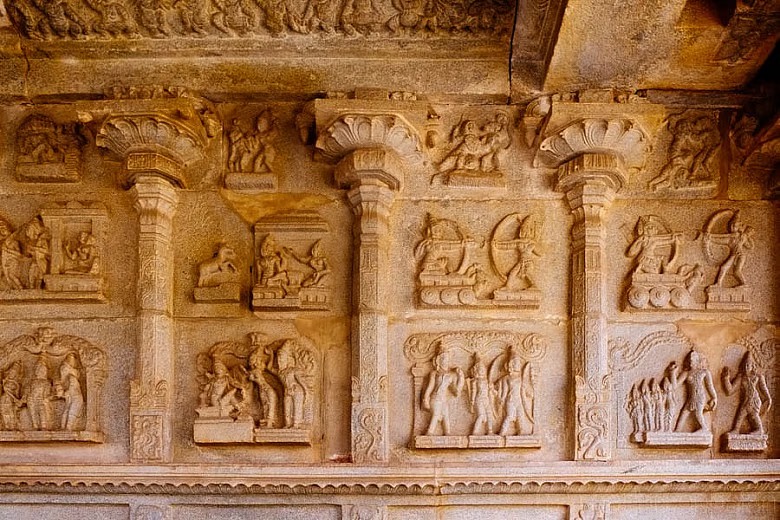
Let us venture into Kishkindha, the allegorical kingdom of our own mind. Its very name reveals its nature: “a congested place,” and at the same time, a land of boundless wonderment. It is the jungle within, where our thoughts, like restless monkeys, wander and compete. True peace lies only in going beyond this congested realm,…
-
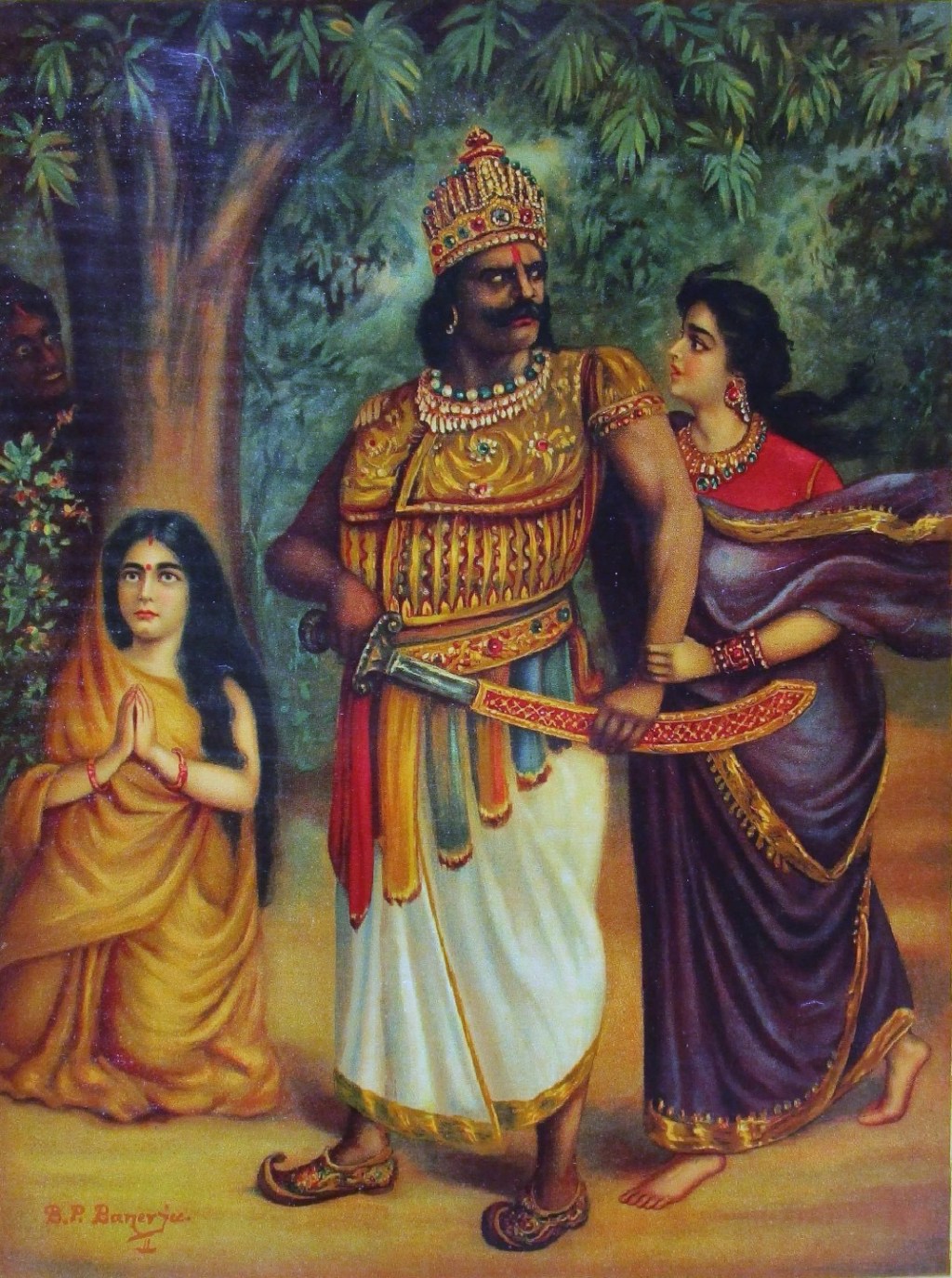
Terminology First! Mandodari: The name is traditionally translated as “soft-bellied,” a marker of her beauty. But let’s look deeper. The root “Manda” means slow, gentle, or soft. “Udari” relates to the core, the belly. Symbolically, Mandodari is the slow, persistent, and gentle voice of wisdom that resides in our very core. She is the faculty that always remains…
-
We all walk through life armed with our own set of infallible arrows. Perhaps it is the power to reason, the power to restrain, or the power to concentrate. We believe these gifts make us formidable, ready to be warriors for justice. We see a world of conflict and, with the purest of intentions, we…
-
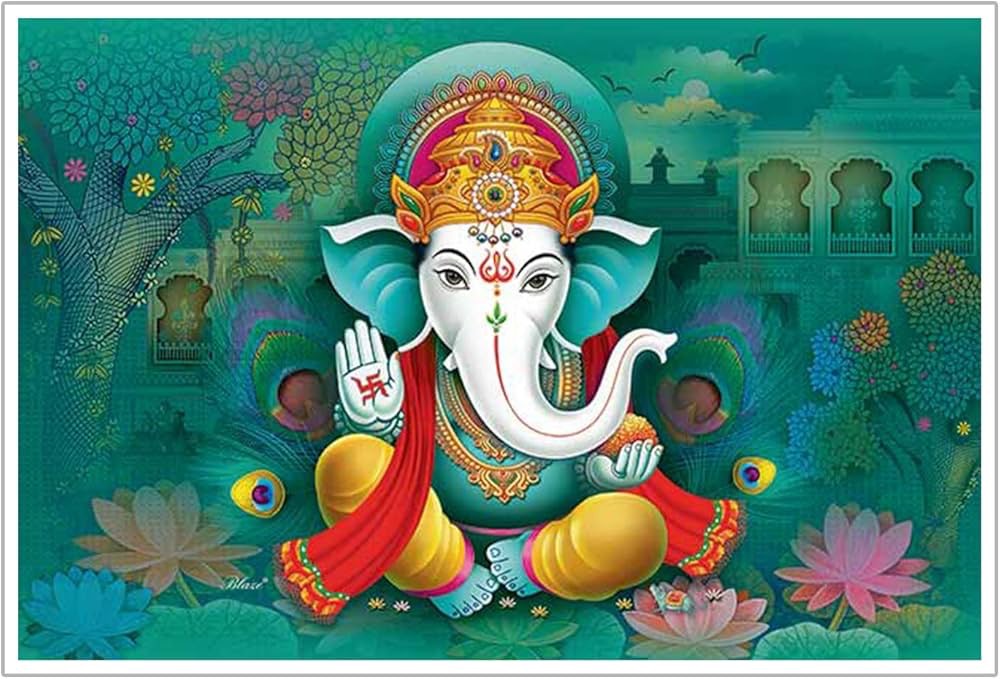
We have charted a course for ideal governance using the four hands of Ganesha as our map. We have seen the framework of action—a path that leads from acknowledging the complexity of the State to bestowing the boon of a blissful society. But a state is more than its actions; it is a living entity…
-
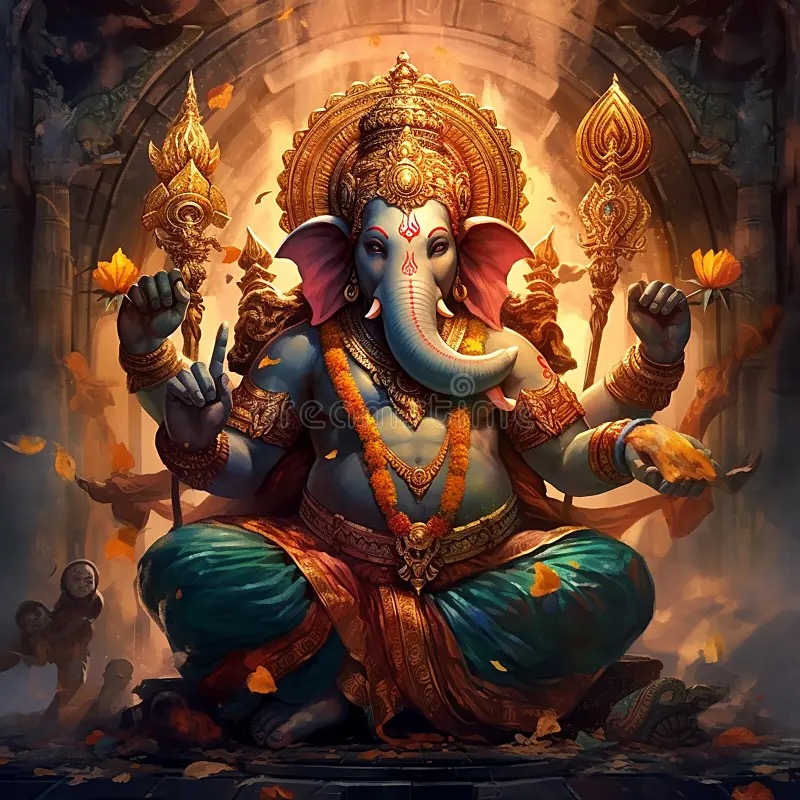
In our journey of looking at Ganesha’s form, we have seen how his hands lay out a path of action. But what is the nature of the consciousness that offers this path? What is the character of the divine, not just in what it does, but in what it is? The Ganapati Atharvashirsha offers us a profound…
-
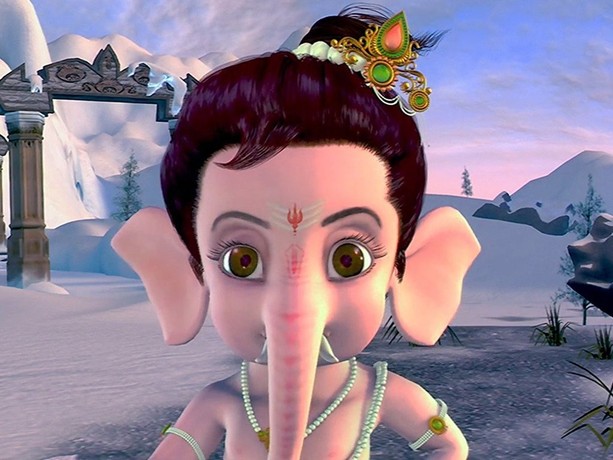
We have seen just another interpretation of Ganesha from the internal lens. It’s time to see how this blog sees Ganesha from the external lens. We’ve walked a path together, decoding the form of Ganesha as a roadmap for the individual soul’s journey to liberation. But what if the map has more than one destination?…
-
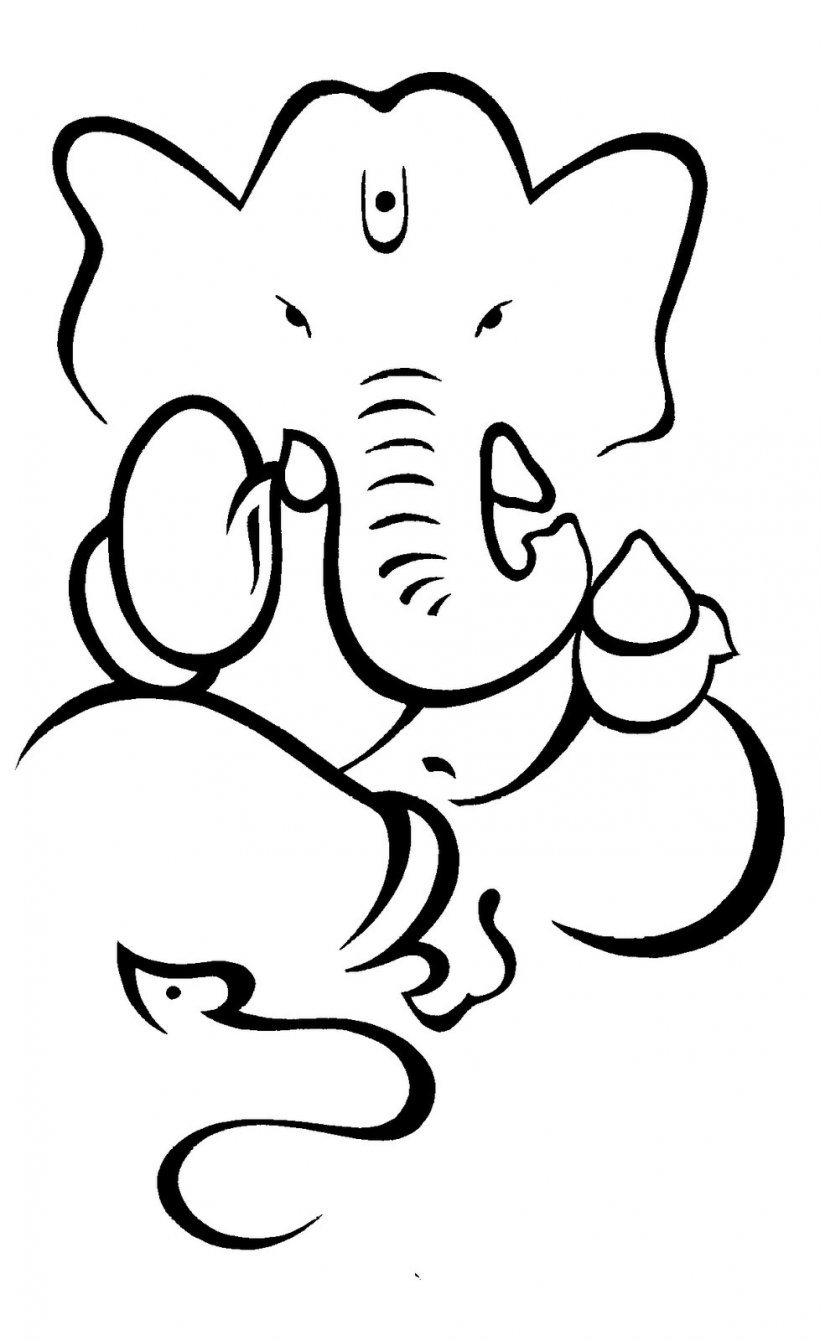
After we have discussed how Ganesha was born, I decided to ponder on the map of symbolism behind Ganesha. I found there are 2 lenses through which we can interpret Ganesha. Here’s the map from the internal lens. The Form as a Four-Fold Path The familiar image of a four-armed Ganesha, when viewed through this…
-
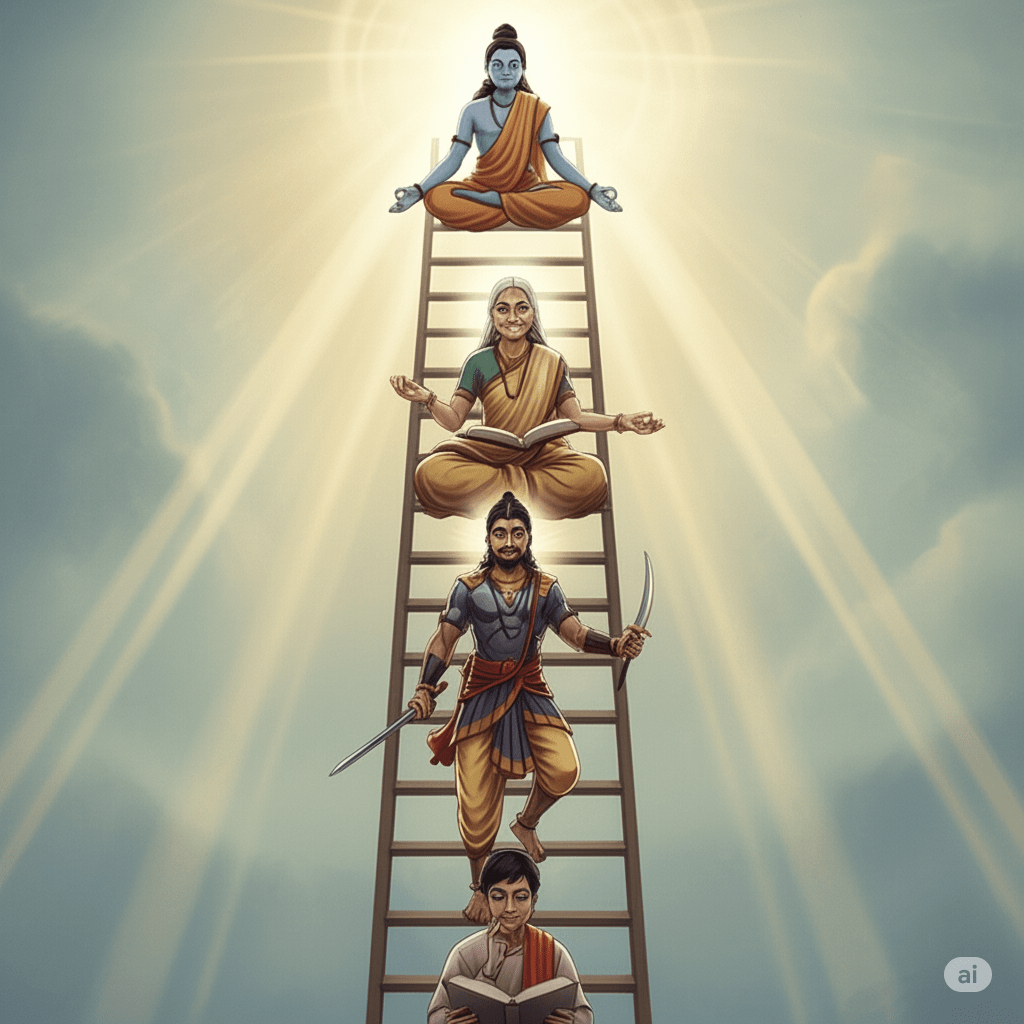
We often search for maps to navigate the complex terrain of personal growth and spiritual seeking. Ancient traditions offer many such frameworks, and the Indian Varna system – often understood in societal terms – holds a surprisingly profound blueprint when viewed through an individual, spiritual lens. What if these stages, Brahmin, Kshatriya, Vaishya, and Shudra,…
-
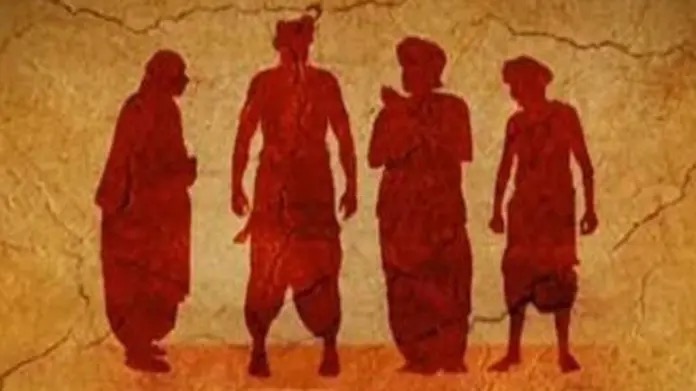
Our quest for understanding often leads us to ancient wisdom, seeking patterns that transcend time. The traditional Indian concept of the four Varnas – Brahmin (the wise and visionary), Kshatriya (the implementers and protectors), Vaishya (the traders and sustainers), and Shudra (the servers and supporters) – described a framework for societal functioning. While its historical…
-
From the blog, I feel that existence is essentially a mind concept. If dark matter, dark energy exist “beyond” spacetime and our known fields, it begs the question: what is this “beyond,” and could it be the ultimate foundation of existence? A “beyond” that transcends our ordinary experience and comprehension. This brings us to point…
-
Subscribe
Subscribed
Already have a WordPress.com account? Log in now.
 Reinvent The Self!