
Philosophy & Dharma asks how to live and act well: Indian philosophy and the Bhagavad Gita applied to work, choice and freedom, alongside essays on justice and love.
Topics in Philosophy & Dharma
Every essay in Philosophy & Dharma
-
Karma Yoga
Is karma yoga about controlling actions, processes or outcomes? Why a karma yogi is guided by his own nature, rewarded only by the joy of doing, and free.
-

Metaverse
From mobile to AI to the metaverse, technology sells unease and endless identities. Why feeling connected matters more than the urge to connect.
-

Rejection Therapy
Survivorship bias hides everyone who was rejected. Rejection therapy as deliberate practice in hearing no, and why even God may be the most rejected of all.
-

Yogakshemam Vahamyaham
Yogakshemam vahamyaham read three ways, material, spiritual and probabilistic: how God supplies what we lack and preserves what we already have.
-

A Strategy which had no Goal
Can a strategy work without a goal? FC Barcelona’s possession football as a goalless strategy that delights at every moment and still wins titles.
-
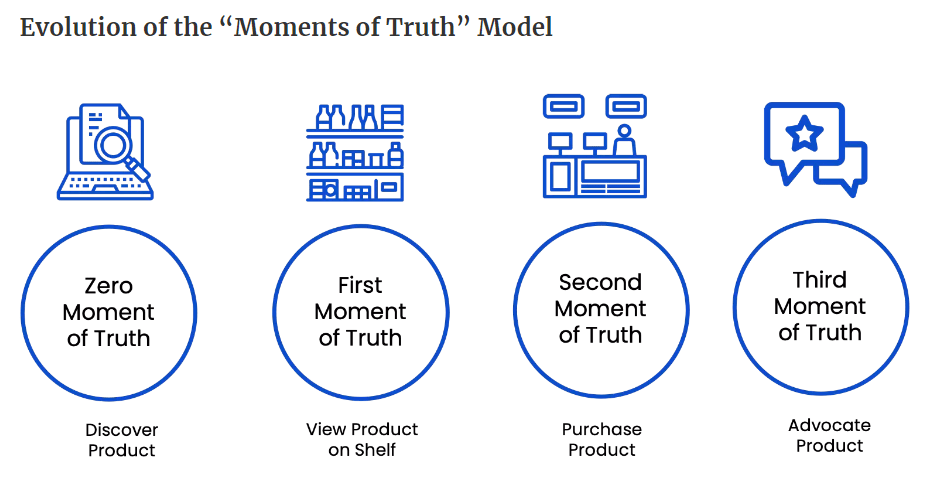
Moments of Truth
Customer intelligence as love: the five moments of truth, what research says about customer affection, and why to explore customers rather than exploit them.
-
Love – II
Love is the only medium for spiritual force, and compassion is a privilege rather than a favour. How love turns every moment into a celebration without fear.
-

Never Enough
Practising awareness means seeing His presence and love everywhere. Why grace keeps flowing, gratitude answers it, and the love we feel in return is never enough.
-

Power and Love
Power can win loyalty or submission, never surrender. Why surrender can only be won through love, and why love itself is surrender.
-
Curious Patience
Forgiveness, patience and curiosity are often read as being about the past or future. Curious patience: wonder at what comes in, restraint in what goes out.
-
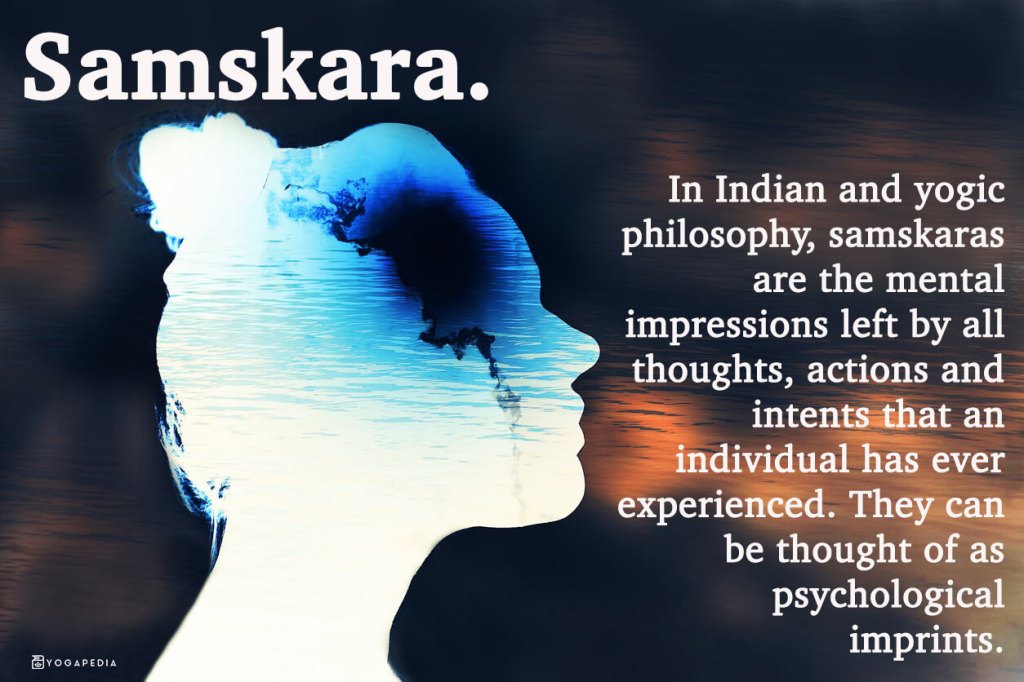
Samskara
From vibration to sense, nerve and mind, samskaras distort how we perceive the world at every step. How the practice of awareness clears them away.
-

Accept and Reject
Accepting a situation without the will to change it detaches the self from events. Why acting to control outcomes often worsens them, and what acceptance frees.
-

Waving Unwaveringly
The joy of being is unconditional. With Jnaneshwar’s Amrutanubhav, uncertainty seen as a holy mother, and the wish to keep waving unwaveringly with her.
-
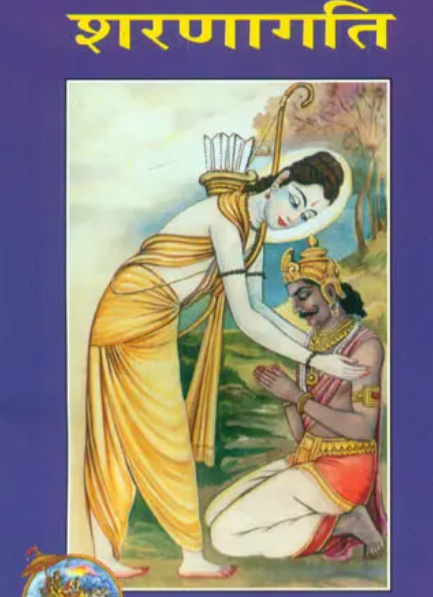
Surrender
Being present seems to mean dropping the past, yet letting it go first asks us to reflect on it deeply. A meditation on surrender as the way to throw the…
-

पश्चात्ताप
अहंकार कधी, कुठे आणि कसा डोकं वर काढतो? स्वतःला नेहमी योग्य आणि इतरांना अयोग्य मानण्याच्या सवयीवर पश्चात्तापाचे एक चिंतन.
-

Strengths and Weaknesses
How should you answer “What are your strengths and weaknesses?” Honestly, with data, with your own view of them, and with a plan for working with both.
-

Data to Intelligence: Curiosity Forever!
Data rewards curiosity. The two dimensions of curiosity, whether AI can explain itself, and how randomness and serendipity keep discovery alive.
-
Divine Impermanence
Is the impermanent world inferior to the eternal? Why impermanence is divine too, and why the journey does not stop at being but starts there, as the Gita shows.

