
Philosophy & Dharma asks how to live and act well: Indian philosophy and the Bhagavad Gita applied to work, choice and freedom, alongside essays on justice and love.
Topics in Philosophy & Dharma
Every essay in Philosophy & Dharma
-
Gratitude
Why be grateful? Arjuna’s gratitude in Gita chapter 11, grace and gratitude as one love flowing both ways, and the gratitude that moves us to act.
-

River
A river accepts everything and gives without asking. What it teaches about giving and faith, six ways to see a river, and what is left when every view is dropped.
-

Diversity Strengthens Unity
Every song reveals more of the music. Why diversity strengthens unity, as Jnaneshwar and Sri Aurobindo say, and why each of us is a Bhagavad Gita, a song of God.
-
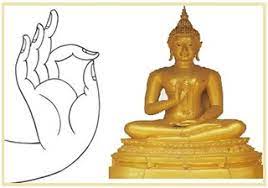
Reality: Thy Name Is Paradox
To sing high, practise low; to grow tall, root deep. A collection of life’s paradoxes, from the Buddha’s raft to Rumi, the Gita and the fullness of emptiness.
-

The Minimalist
Nature minimises: least energy, least resistance. A minimalist’s answers to climate change, health, mobile addiction, money and spiritual progress.
-

Love
Love knows only the present moment. What Anthony de Mello taught about love, five qualities of love seen as a tree, and whether we love others or ourselves.
-

Uncertainty: Faith
Fear points towards faith. How genuine desire and patience lead to surrender, why the ego melts along with fear, and what remains when faith takes its place.
-

Uncertainty: Fear
Faced with uncertainty, we can fear it or have faith in it. Why our fondness for certainty makes fear the root of our responses, and how to choose faith.
-

Decision-Making and Diversity
Why diverse voices make better decisions: what machine learning’s diverse data, models and ensembles teach about inclusive decision-making in organisations.
-

I am Ocean in a Drop
Chaos theory and self-similarity point to a spiritual truth: you are not a drop in the ocean, you are the entire ocean in a drop.
-

Trekking
A climb up Sinhagad fort becomes a reflection on reality as all-inclusive, infinite, continuous and eternal, met one step and one moment at a time.
-

Doubt!
Is doubt the original sin or the start of every journey? A Bayesian view of doubt as a prior, and why doubting can be a virtue rather than a tendency.
-

Superstitions
Superstitions as overwhelming priors: a Bayesian reading of how beliefs harden, why personal superstitions resist testing, and what good ones do for a society.
-

Failure
Why study the path rather than the success? On P(path | success) versus P(success | path), and why every path eventually leads to success.
-

Law and Luck – 2
If the mean is law and the variance is luck, every success needs both. A reply to James Clear that resolves law and luck into a single word: grace.
-
Law and Luck – I
Is luck simply uncertainty? Why scientists show the laws and mystics the miracles, and why knowledge needs both certainty and chance to stay humble.
-
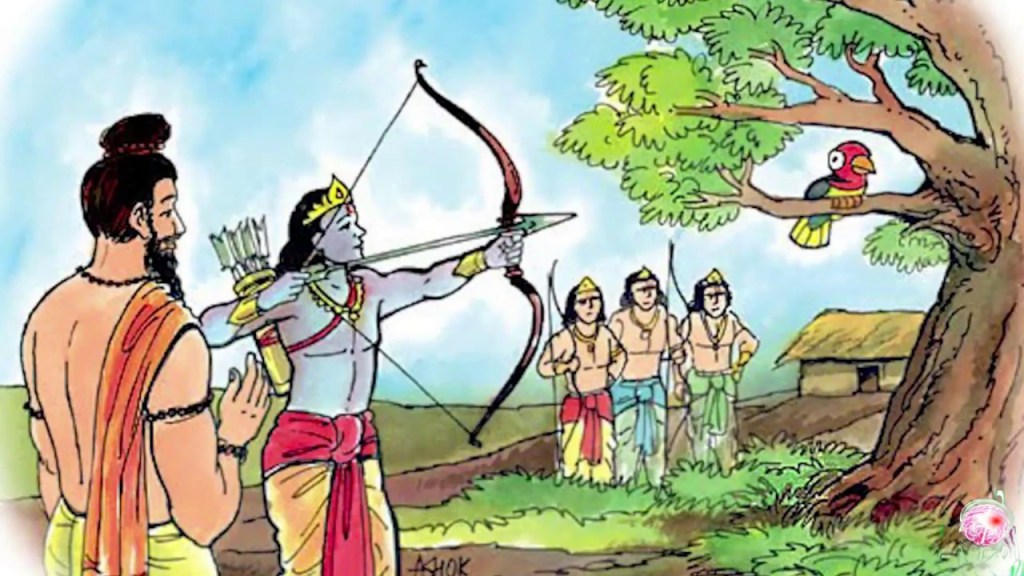
Goal
After tiny habits, which goal? Arjuna’s single focus, the exploration–exploitation dilemma, and why the ultimate goal is discovering the intelligence within.
-
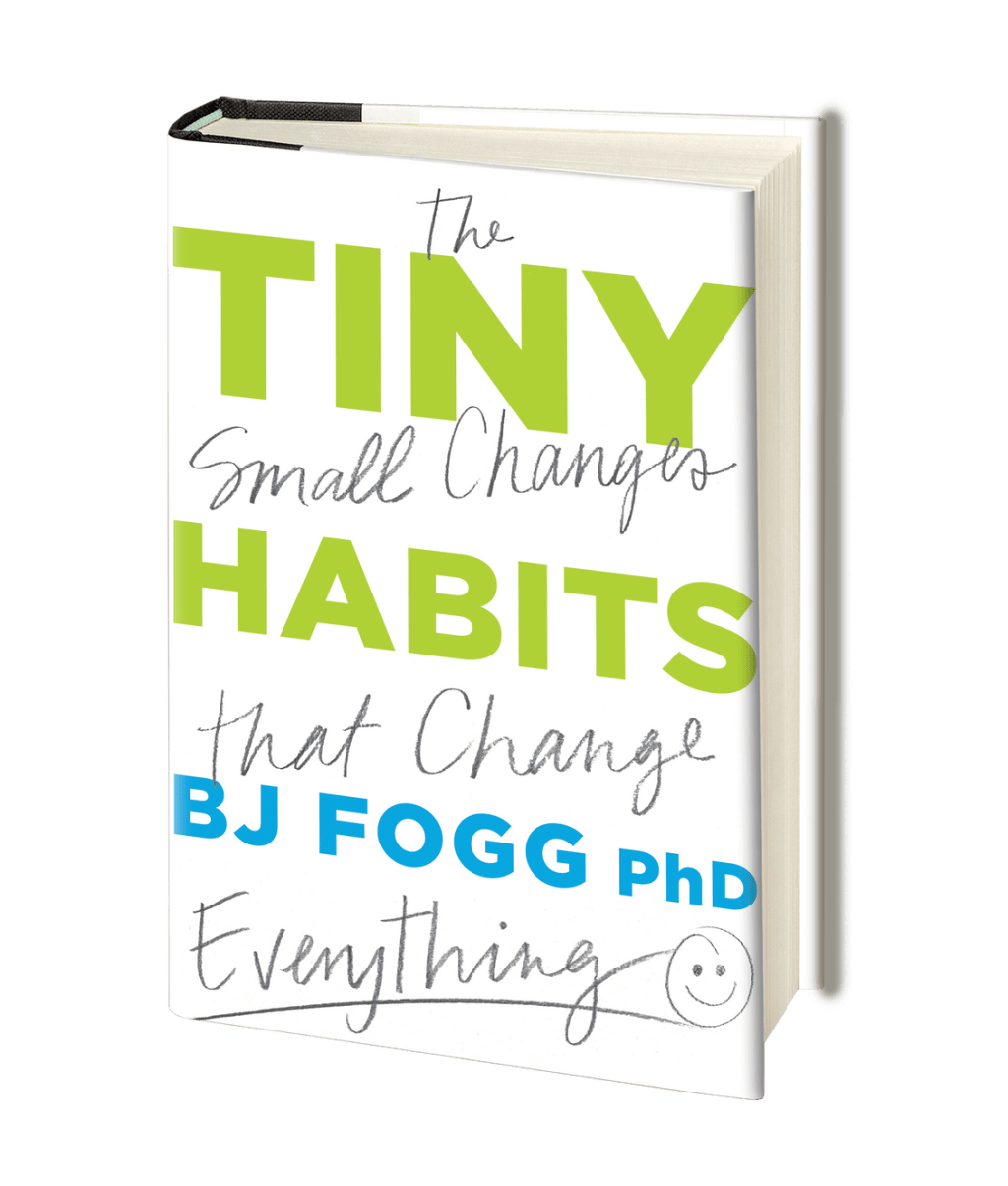
Tiny Habits : book review
A light review of BJ Fogg’s Tiny Habits: the B=MAP formula, anchor moments and instant celebration, and why small habits make us stronger.

