
Truth thrives at the intersections.
Personalities
Characters of the Ramayana and the Mahabharata read for their inner meaning: what figures such as Hanuman, Vibhishana, Draupadi and Karna stand for.
Browse by theme: Consciousness · Philosophy & Dharma · Iconography & Stories · Technology · Work & Mind
-
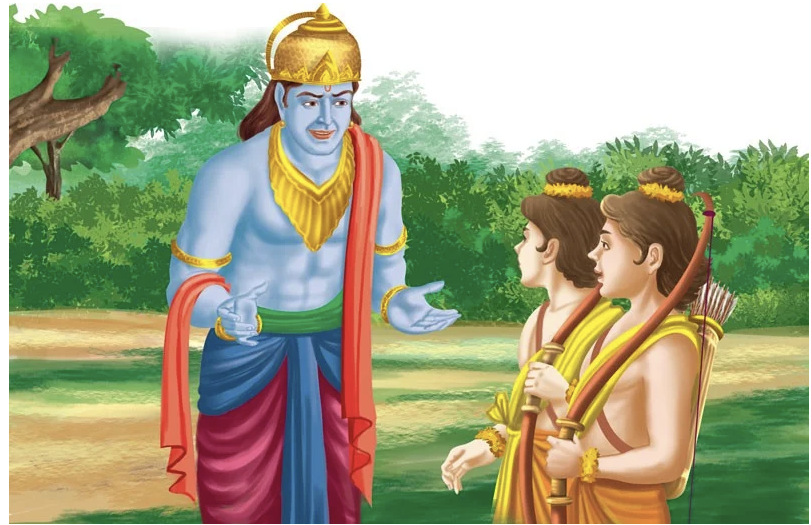
Respect, Resistance, and Dharma: What Bharata and Luv-Kush Teach Us
Bharata defying his mother, and Luv and Kush resisting their father: what the Ramayana teaches about respect, resistance and a dharma that is not a ceiling.
-
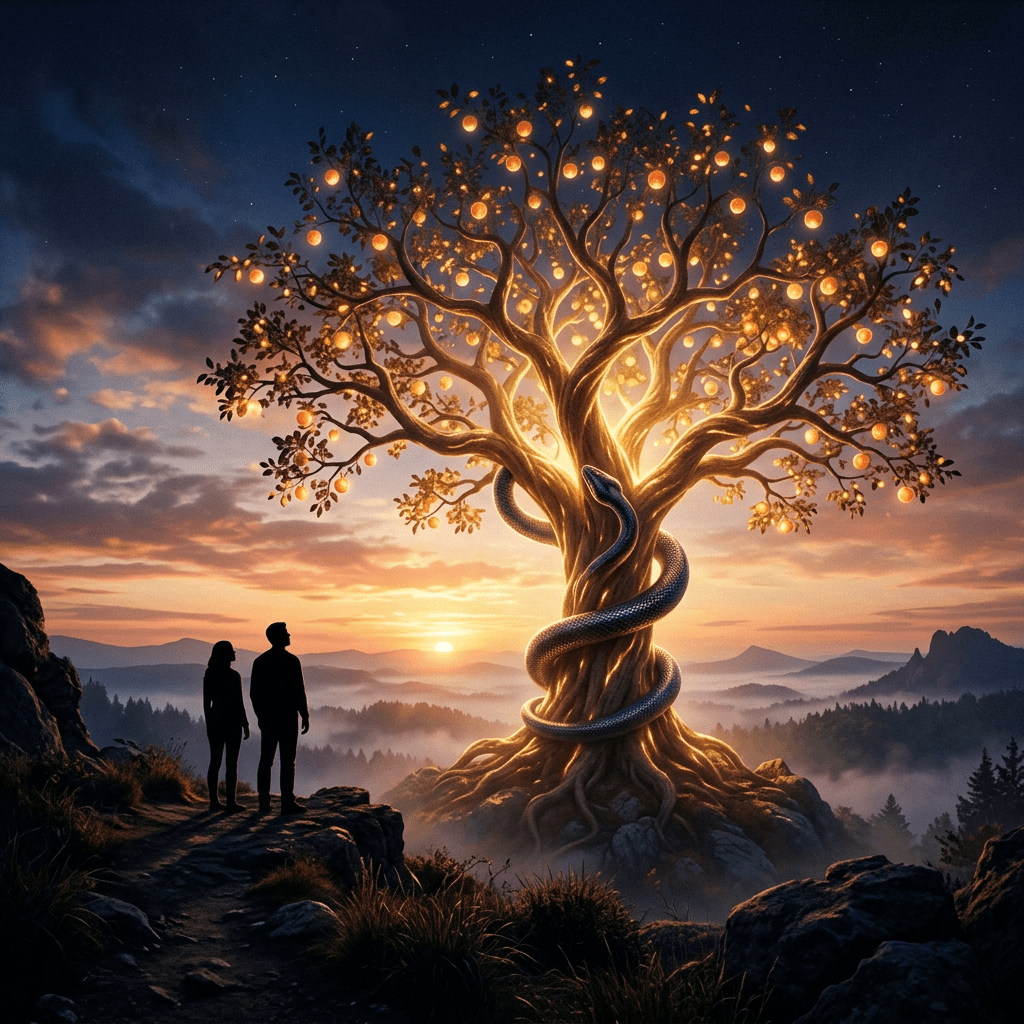
The Apple, the Deer, and the Mind
Eve’s apple, Sita’s golden deer and the mind: one turning shared across traditions, choice versus freedom, and the oxymoron of free will. The close of The Architecture of Return.
-
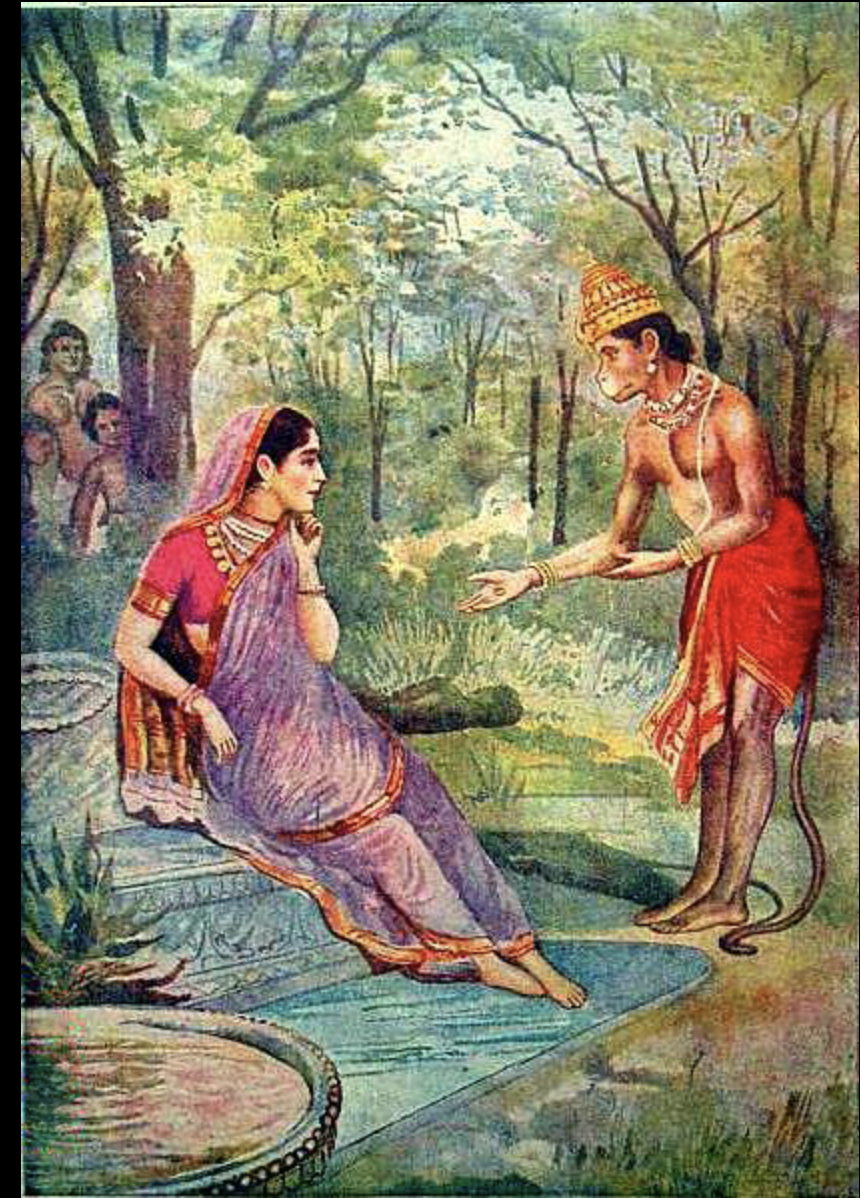
The Eagerness of Love and the Turning of Desire
Two moments the popular Ramayana smooths over: Hanuman’s eager offer to carry Sita home and her refusal, read closely as the turning of desire.
-

The Four Layers of Refuge
The Ramayana’s layered structure of protection, from presence and faith to the Lakshmana Rekha: the second essay in The Architecture of Return.
-
Sita: The Mahat
Sita read as Mahat, the cosmic intellect: from desire and separation to Rama’s sacrifice, her disappearance, and reclaiming Ayodhya, the city without conflict.
-
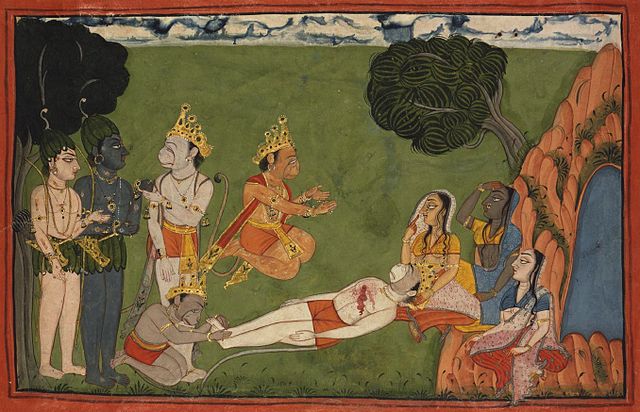
Tara: Wise Restraint
Tara of Kishkindha, one of the Panchakanya, as wisdom and restraint in the kingdom of the mind: a legacy of courage, devotion and discernment.
-
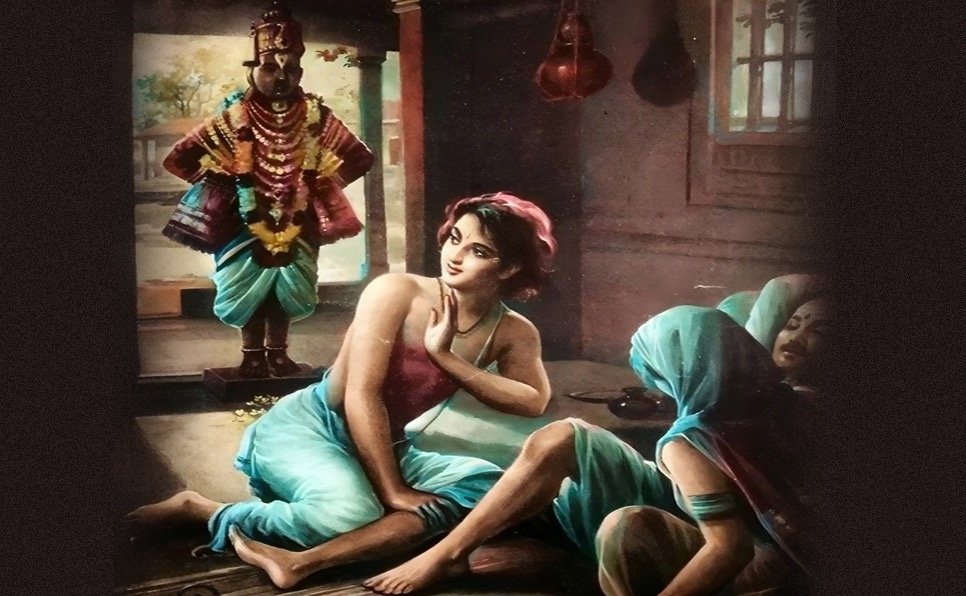
The Unified Vision: Pundalik and Vitthala as One Sacred Teaching
Vitthala waiting on his brick while Pundalik serves his parents: two figures, one truth, and why action and devotion are a single gateway.
-
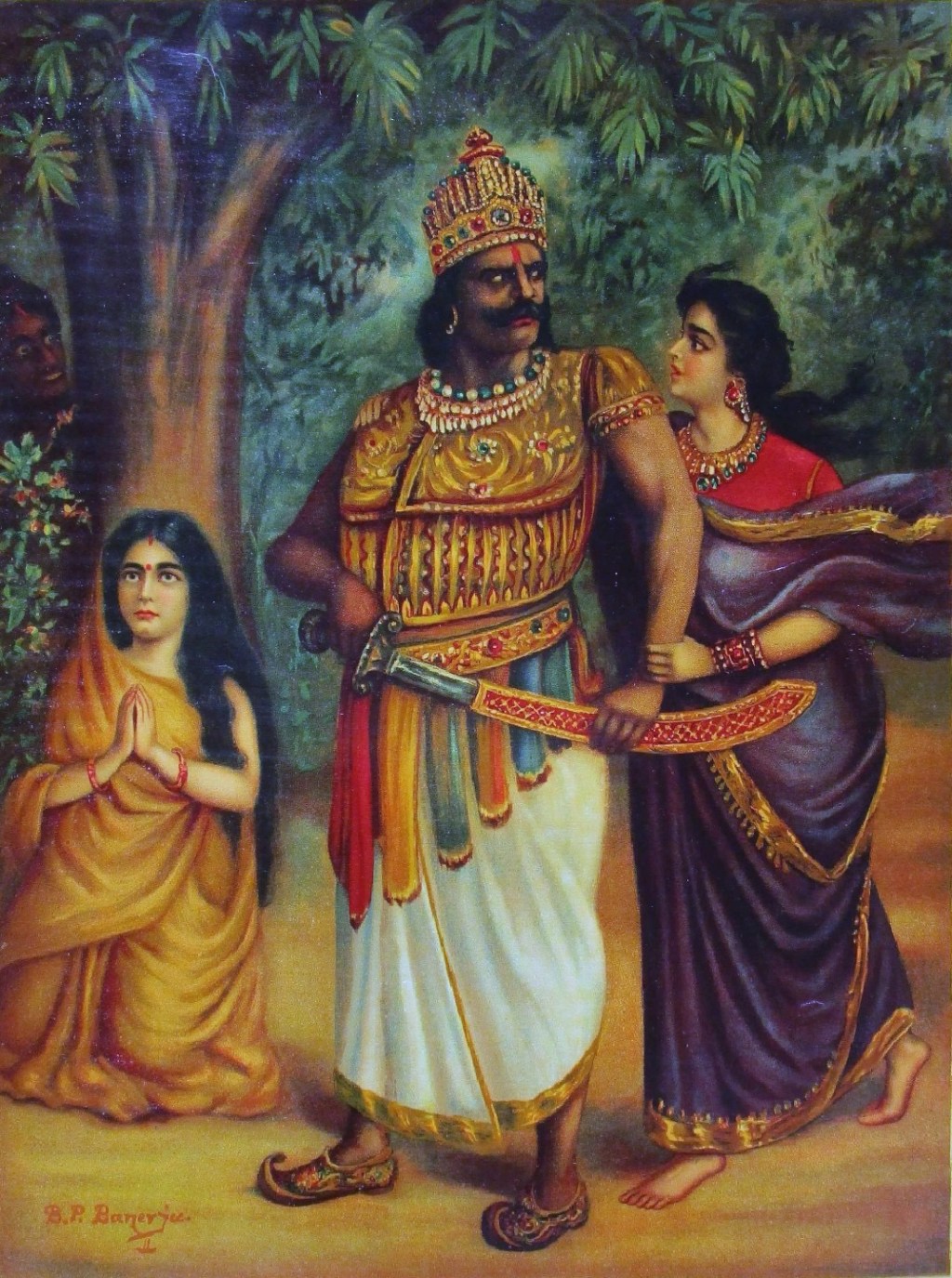
Mandodari : Wisdom
Mandodari as the slow, gentle voice of wisdom that the ego ignores: what her name means, and why we need the grace to listen to the Mandodari within us.
-
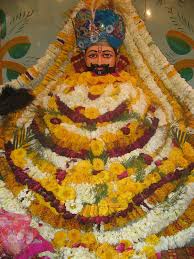
Barbarika : A Witness
We all carry infallible arrows: reason, restraint, concentration. Barbarika’s story shows why only surrendering the identity of the doer makes one a seer.
-
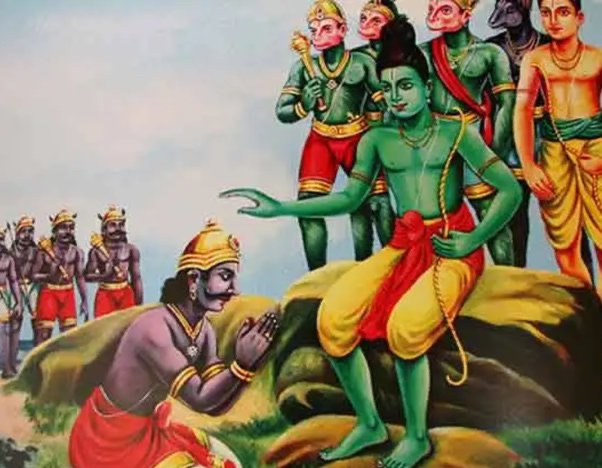
Dharma: Vibheeshana
Vibhishana read alongside his brothers Ravana and Kumbhakarna: how faith, fear and the three gunas shape each brother’s choices in the Ramayana.
-
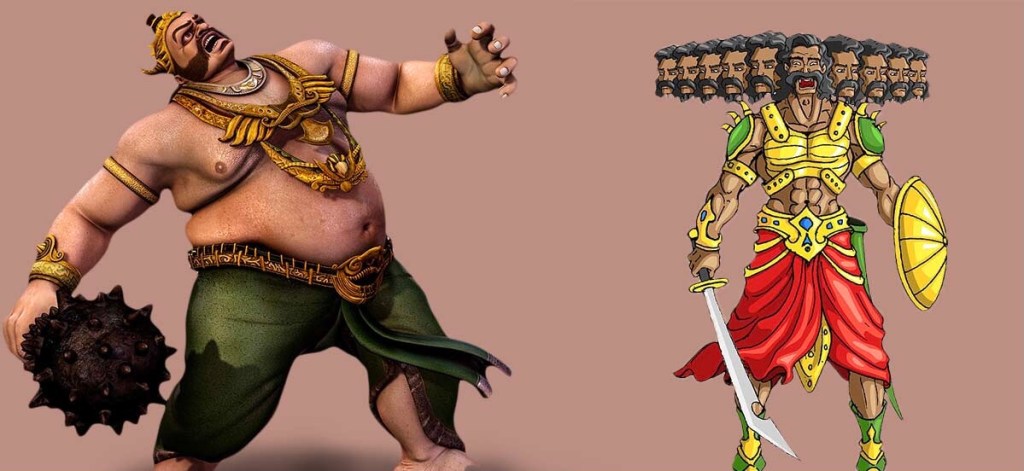
Adharma: Ravana and Kumbhakarna
Ravana had knowledge, the Vedas and reason, so what made him adharma? Ravana and Kumbhakarna read through fear and hope, and why knowledge alone is not enough.
-
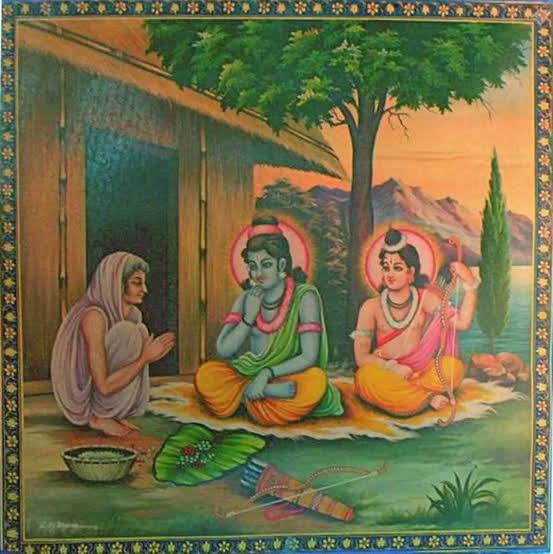
Shabari
Why does Shabari taste the berries before offering them to Rama? A reading of the Ramayana story through devotion, gratitude and Lakshmana’s response.

